







Lifting Chamber Baler / Textile Baler / Clothes Baler
A lifting chamber baler, also called a used clothes or textile baler, is ideal for textile waste recycling. It's perfect for textile manufacturers, used clothing recyclers, second-hand shops, exporters, and rag graders. The lifting chamber design simplifies strapping, wrapping, and bale ejection for easy one-person operation, cutting labor costs. Bale weights range from 30kg to 600kg with up to 150 tons of force. For higher efficiency, the twin lifting chamber model allows simultaneous feeding and baling.


Product description
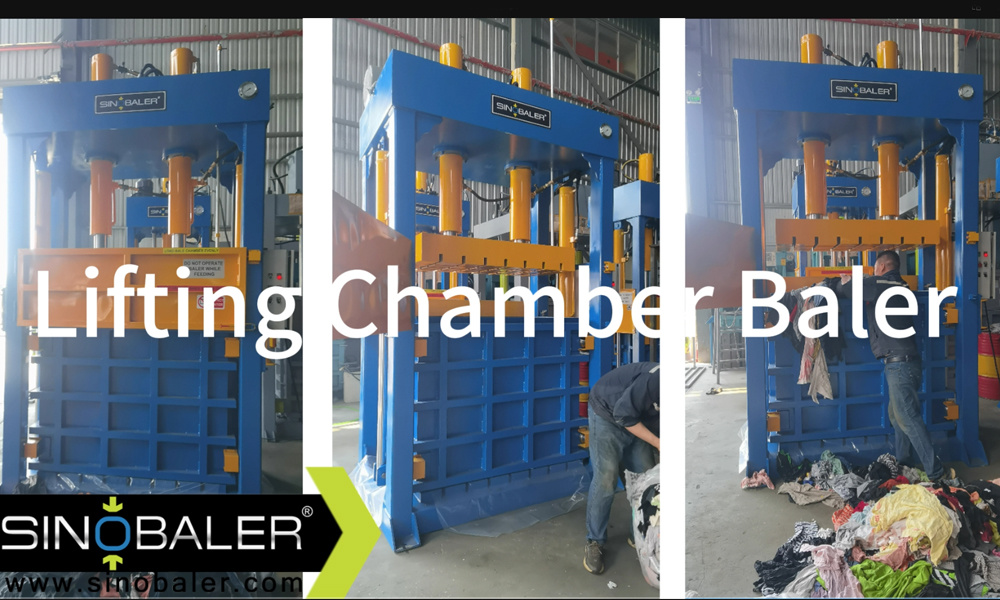
A lifting chamber baler machine is sometimes popular as used clothes baler, clothing baler, as well as textile baler. It specifically suits to meet the baling demands of the textile waste recycling industry. It is an ideal baling press choice for almost any textile manufacturer, used clothes recycling center, second-hand clothing stores / dealers, clothing exporters, as well as wiping rag graders.
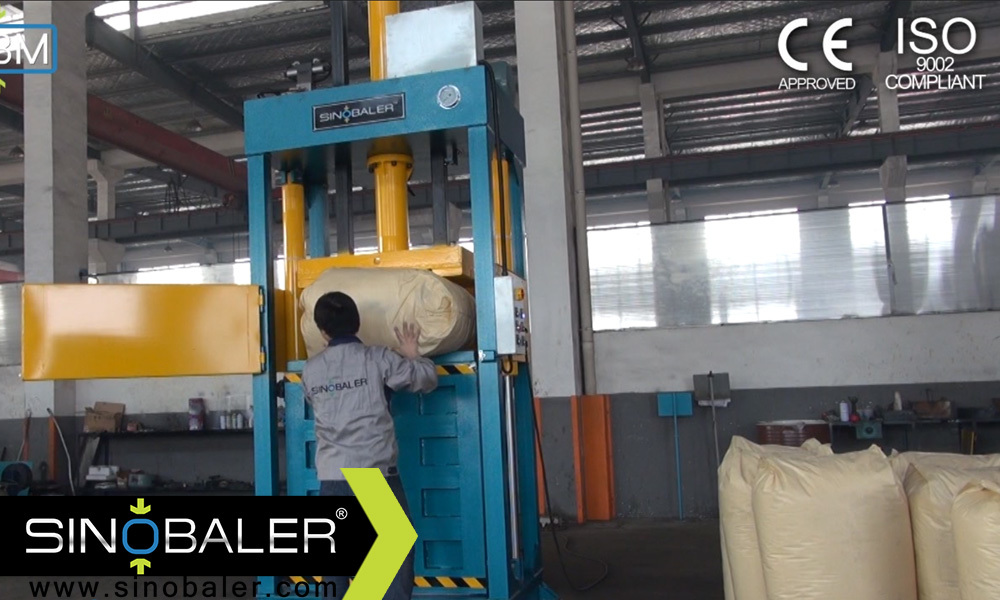
The vertical lifting chamber balers are unique in that they are very simple to operate. The lifting chamber makes tying and wrapping bales simpler, and make ejection easier as well. All you need to do is press a button, and the chamber will be lifted automatically before strapping / tying. This means one-person operation is entirely possible, which saves on labor costs.
In regards to bales weights and sizes, Sinobaler lifting chamber textile recycling balers can produce bale weights from 30kg to 600kg (i.e. 66lbs to 1320lbs), with a press force up to 150 tons. The size of the bales can vary depending on the model. This ensures that any size / scale business can find a baling machine that suits their waste recycling needs. From a small shop with a single person operating the baling press machine to a larger corporation with a recycling crew, these lifting chamber used clothes balers will fit the bill.
If you require a more efficient textile waste compactor solution, our swivel twin lifting chamber baler is the right way to go. This high capacity textile baler can produce bale weights about 1100 to 1400 kg per hour. You can achieve feeding and baling at the same time.
Choose from our various baling machine models below, or contact us for a customized baling press solution. View textile shredders.
Main Features
- Availability for Bale Wrapping
either plastic bag/sheet or woven bag/sheet can be used as the wrapping material, protecting the textile material from getting damp or stained - Elevated Front Feeding Door & Side Board
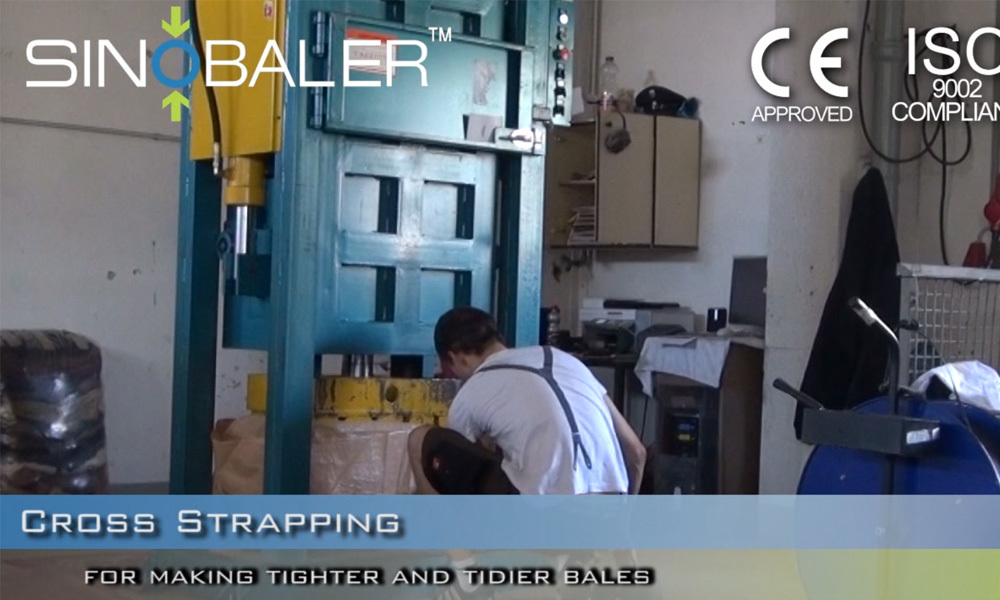
for better protecting operators when platen moves upwards and downwards. - Cross Strapping
for making tighter and tidier bales. View Image

- Lifting Chamber Door
for easy operation and promoting work efficiency (simply press a button and the chamber will be lifted automatically before strapping) View Image

- Ajustable Bale Height
for achieving various bale size and weight - Electric Controlled
for easy operation, simply by operating on buttons and switches to fulfill platen and chamber moving
Specifications
| Model | Bale size | Bale weight (for used clothes) | Throughput | Strapping | ||
|---|---|---|---|---|---|---|
| Length | Width | Height | ||||
| SVBT2-L1-300 |
700 mm (27 inch) |
400 mm (16 inch) |
350-800 mm (14-31 inch) |
40-80 kg (88-176 lbs) |
8-10 bales/hr |
PET strap, steel wire, hemp rope, etc |
| SVBT2-L1-400 |
750 mm (30 inch) |
550 mm (22 inch) |
350-800 mm (14-31 inch) |
50-100 kg (110-220 lbs) |
8-10 bales/hr |
|
| SVBT2-L1-600 |
1100 mm (43 inch) |
750 mm (30 inch) |
350-800 mm (14-31 inch) |
150-280 kg (330-616 lbs) |
4-6 bales/hr |
|
| SVBT2-L1-800 |
1300 mm (51 inch) |
800 mm (31 inch) |
400-900 mm (16-35 inch) |
200-400 kg (440-880 lbs) |
3-5 bales/hr |
|
| SVBT2-L1-1000 |
1500 mm (59 inch) |
760 mm (30 inch) |
400-900 mm (16-35 inch) |
250-500 kg (550-1100 lbs) |
3-5 bales/hr |
|
CUSTOMER CASES


BALING Applications
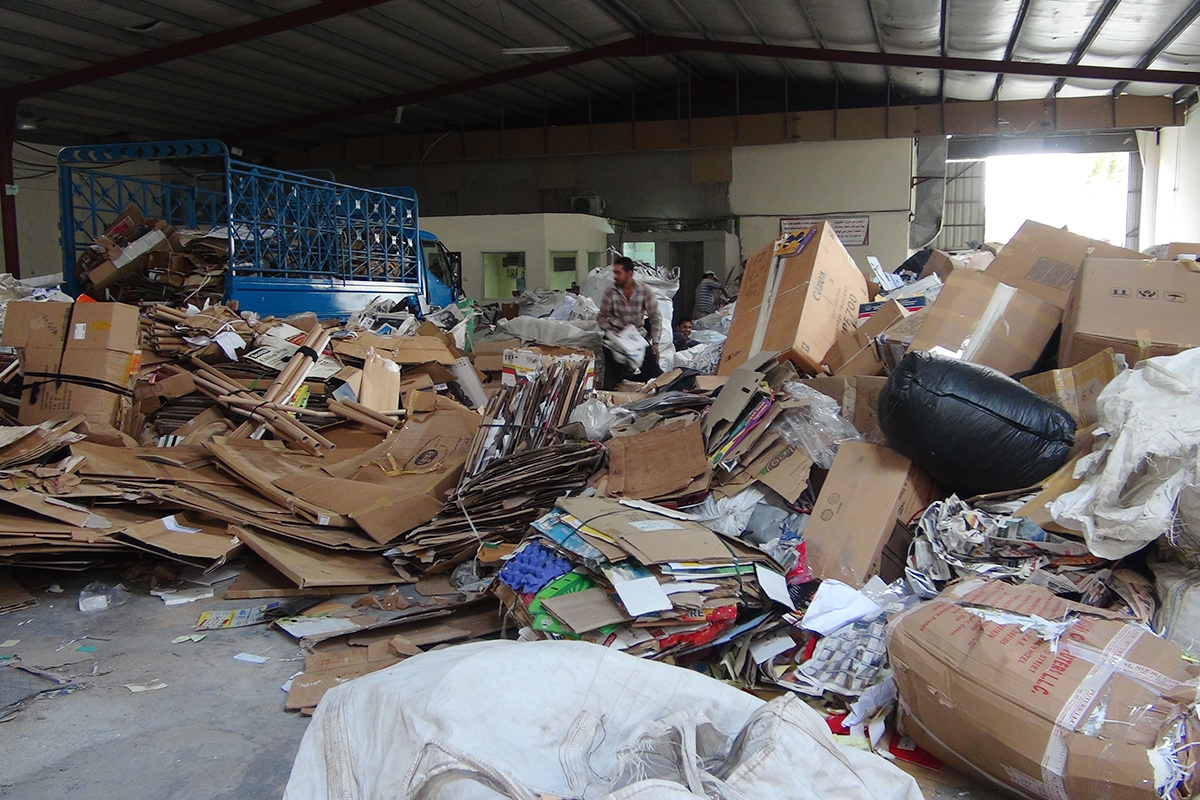
Second-hand clothes, towels, pillow, quilt, carpet, used shoes, used clothing, rags, textile fiber, yarns and other textile waste.
Applicable industries
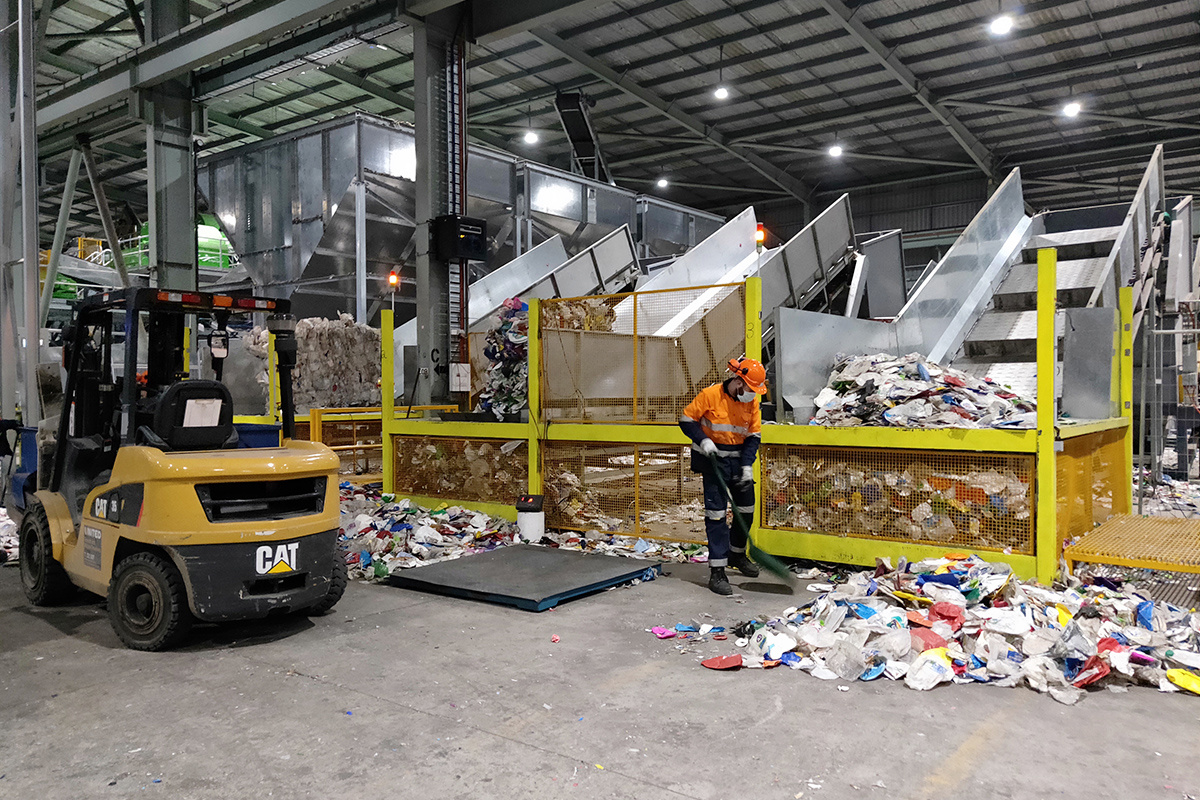
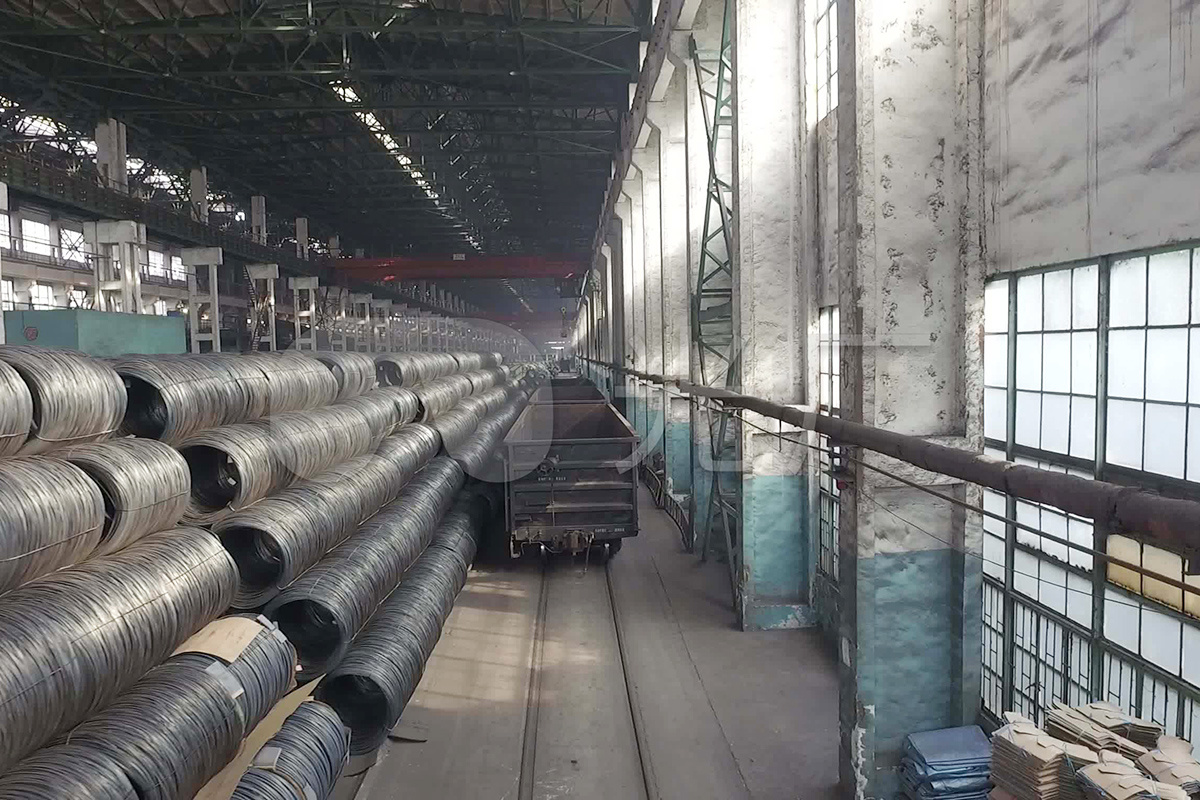
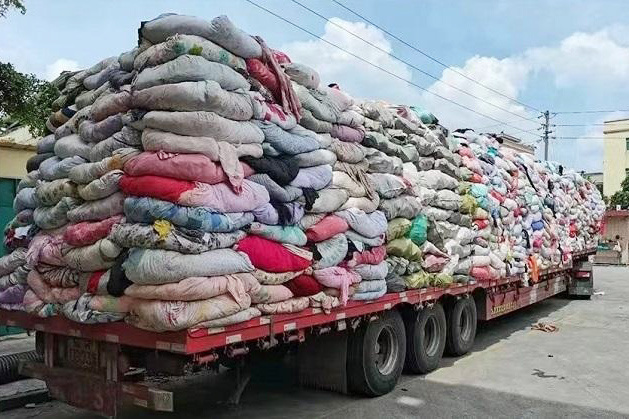
RELATED Baler & Accessories
FAQ about this machine
When it comes to textile recycling, both lifting chamber balers and bagging balers are widely used—but which one is truly the best for your needs? At SINOBALER, this is one of the questions we hear most often. Drawing on years of hands-on experience, we’ve put together a clear guide to help you choose the right baler with confidence.
1. Lifting Chamber Baler – Ideal for Clothing and Textile Recycling
What It Does Best
- Specifically designed for used clothes, rags, towels, and textile waste
- Chamber lifts up, making tying, wrapping, and bale removal easy
- Supports manual wrapping using plastic or woven bags to protect textiles
- Can be operated by a single person, saving labor
- Typical bale weight: 40–500 kg
Popular Baling Machines in SINOBALER


Key Advantages
- ✔ Excellent for second-hand clothing export
- ✔ Produces clean, square bales with a professional presentation
- ✔ Flexible wrapping options, which is important for resale markets
Limitations
- ❌ Requires more manual work for tying and handling
- ❌ Lower automation and throughput compared to continuous systems
2. Bagging Baler – Best for Loose Fiber and Bulk Materials
What It Does Best
- Compresses and bags in a single step
- Typical bale weight: 1–20 kg
- Ideal for:
- Cotton fiber
- Wool
- Synthetic fibers
- Biomass or other loose textile materials
Popular Baling Machine in SINOBALER

Key Advantages
- ✔ Faster operation (no separate wrapping step)
- ✔ Cleaner handling (bales come already bagged)
- ✔ Works well with loose, fluffy materials
Limitations
- ❌ Not suitable for wearable clothes or sorted garments
- ❌ Limited flexibility in bale shape and presentation
- ❌ Less preferred by buyers in the second-hand clothing market
🧠 How to Choose the Right Baler
Choose a Lifting Chamber Baler if:
- You handle:
- Used clothes
- Sorted garments
- Export textiles
- You need:
- Clean, well-shaped bales
- Manual quality control for resale purposes
- Your business focus is:
- Clothing recycling
- Second-hand clothing export
✅ This is the most common choice for textile recyclers worldwide.
Choose a Bagging Baler if:
- You handle:
- Loose fiber (cotton, polyester, wool)
- Shredded textiles
- You want:
- Faster, more automated workflow
- Minimal manual labor
- Your output is:
- Raw material for further processing, not wearable goods
💡 Simple Rule of Thumb
- 👕 Clothes → Lifting Chamber Baler
- 🧵 Fiber / fluff → Bagging Baler
Based on SINOBALER’s extensive experience, customers using bagging balers generally prefer smaller textile bales ranging from 1 to 20 kg, with around 10 kg considered ideal. In contrast, textile bales produced by lifting chamber balers are typically larger, usually over 40 kg, making them perfect for clothing export and resale markets.
Watch demo operations from SINOBALER various textile balers.
Typical demo operation by SINOBALER baling machines:
- Efficient lifting chamber baler for used clothes
- Rags baling with scale weighing horizontal bagging baler
- Automatic weighing vertical bagging baler for clothes and rags
Quick links:
✅ Request Solution | FAQ | Request Layout Design | Watch Demo
Why Textile Waste Requires Specialized Baling Equipment
Textile waste requires specialized compression equipment because fabrics are soft, elastic, and difficult to compact efficiently. Recycling facilities, garment factories, and used clothing exporters commonly choose between a common vertical baler and a lifting chamber baler. While vertical balers offer economical volume reduction, lifting chamber balers produce cleaner, export-quality textile bales that improve handling efficiency and resale value.
With global textile recycling expanding rapidly, selecting the correct baling solution directly impacts labor cost, logistics efficiency, and overall recycling profitability.
What Is a Common Vertical Baler?
A common vertical baler, also called a downstroke baler, compresses material using a hydraulic ram moving vertically from top to bottom.
How It Works
Operators load textile waste into the chamber, and the ram compresses materials repeatedly until the desired bale density is reached. The bale is then tied manually and ejected.
Advantages for Textile Scrap
- Low investment cost
- Compact machine footprint
- Multi-material capability
- Suitable for small and medium recyclers
- Simple installation and operation
Limitations When Handling Used Clothing
Soft textile fibers expand after compression, which may cause:
- Deformed bale shape
- Increased labor during wrapping
- Lower resale appearance
👉 Vertical balers are ideal for textile offcuts, fabric scraps, and waste reduction applications.
What Is a Lifting Chamber Baler?
A lifting chamber baler is specially engineered for compressing soft recyclable materials such as clothing, rags, towels, and mixed textiles.
How It Works
Instead of ejecting the bale, the compression chamber lifts upward after pressing, leaving the finished bale on the base platform for easy tying and wrapping.
Benefits for Textile Recycling Operations
- Designed specifically for textile materials
- Easy bale tying and bagging
- Uniform square bale shape
- Higher bale presentation quality
- Improved export and resale value
Industries commonly using lifting chamber balers include:
- Used clothing exporters
- Textile recycling plants
- Charity sorting centers
- Second-hand clothing traders
Common Vertical Baler vs Lifting Chamber Baler: Key Differences
| Feature | Common Vertical Baler | Lifting Chamber Baler |
|---|---|---|
| Compression Method | Downward ram | Chamber lifting system |
| Textile Compatibility | Good | ⭐ Excellent |
| Bale Appearance | Standard | Export quality |
| Wrapping Efficiency | N/A | Very easy |
| Investment Cost | Lower | Medium |
| Best Application | Waste reduction | Textile resale/export |
Which Baler Is Best for Different Types of Textile Waste?
Textile Factory Offcuts
Garment manufacturing generates loose cutting scraps that mainly require volume reduction.
✅ Recommended: Vertical Baler
Used Clothing Recycling Centers
Facilities sorting reusable clothing need clean, uniform bales suitable for resale markets.
✅ Recommended: Lifting Chamber Baler
Charity & Donation Organizations
Manual labor efficiency and easy bale handling are critical.
✅ Recommended: Lifting Chamber Baler
Textile Export Businesses
Export containers require dense, well-wrapped bales to maximize shipping efficiency.
✅ Recommended: Lifting Chamber Baler
How the Right Baler Increases Textile Recycling Profits
Choosing the correct baler delivers measurable economic benefits:
Reduced Transportation Costs
Higher bale density means more textiles per container shipment.
Improved Bale Quality
Professional bale appearance increases buyer confidence and resale pricing.
Labor Savings
Easy tying and unloading reduce operator workload and improve productivity.
Faster Container Loading
Uniform bale dimensions simplify stacking and logistics planning.
Key Factors to Consider Before Choosing a Textile Baler
Before investing in textile baling equipment, evaluate:
- Daily processing capacity
- Desired bale weight (40–500 kg typical)
- Available installation space
- Operator availability
- Export market requirements
- Material type (scrap vs reusable clothing)
A correct equipment match ensures long-term operational efficiency.
Recommended Textile Baling Solutions from SINOBALER
As an experienced manufacturer of recycling machinery, SINOBALER provides customized textile waste baling solutions for global recyclers.
Typical solutions include:
- Vertical textile balers for factory waste reduction
- Lifting chamber balers for used clothing export
- Bagging balers for small textile bales
- Semi-automatic and automatic textile baling systems
- Complete textile recycling and container loading solutions
Engineering consultation helps customers select machines based on real production requirements rather than machine size alone.
Frequently Asked Questions About Textile Waste Balers
Which baler is best for used clothing?
A lifting chamber baler is typically preferred because it produces uniform, easy-to-wrap export bales.
Can vertical balers compress textile waste efficiently?
Yes. Vertical balers work well for fabric scraps and non-resale textile waste where appearance is less important.
What bale weight is ideal for clothing export?
Most exporters prefer textile bales between 80–450 kg depending on container loading strategy.
Why are lifting chamber balers popular in textile recycling?
They simplify bale removal, improve wrapping efficiency, and maintain bale shape after compression.
Real Textile Recycling Application Examples
- Garment factory compressing cutting waste for disposal savings
- Used clothing exporter shipping second-hand apparel overseas
- Charity organization preparing donation textiles for redistribution
- Recycling facility improving warehouse space utilization
These real applications demonstrate how proper baler selection directly improves operational efficiency.
Choosing the Right Baler for Maximum Textile Recycling Efficiency
Both machines play important roles in textile waste management:
✅ Vertical Baler — Best for economical textile waste volume reduction
✅ Lifting Chamber Baler — Best for reusable clothing, resale, and export markets
Understanding your material type, production volume, and business objective is the key to selecting the most profitable baling solution.
👉 For customized textile recycling solutions, consult SINOBALER engineers to determine the ideal baler configuration for your operation.
All our vertical balers are equipped with the adjustable bale height function, allowing the users to have the flexibility to adjust bale height according to their preference and requirements.
There are 2 types of devices to control bale height:
Type 1 – by Limit Switch
Type 2 – by Trigger Ring
Therefore, please refer to the appropriate device of your baler, and make the necessary adjustment as follow:
Type 1 – Limit Switch
• Move limit switch as per picture below within the adjustable range to adjust bale height as per your preference.

Type 2 – Trigger Ring
• Move trigger ring as per picture below within the adjustable range to adjust bale height as per your preference.

Increasing or decreasing the compressing pressure will directly affect the density of your bale. Please follow the steps below to learn how to adjust compressing pressure on your baling machine. We strongly advise you to refer to the safety working pressure stated on your Operator Instruction Manual to ensure you don’t go above the limit.

Pressure adjustment steps for Lifting Chamber Baler:
1. Start the motor by pressing the “START” button on control panel.
2. Adjust overflow valve (see B) by turning knob clockwise as per the red arrow during baling, you will see the pointer of pressure gauge (see A) increases gradually during the process.
3. If you turning the knob in anti-clockwise direction, you will see a decrease of pressure.
NOTE:
– Adjust the valve slowly to achieve higher pressure, check the pressure gauge at all time so as to not increase too much at one time.
– The recommended pressure has already been set at our factory before delivery. Therefore, do not make any adjustment to pressure unless it is necessary.
Upon releasing your baling machine from our factory, we will indicate the required amount of hydraulic oil based on your working condition and environment temperature, and reflect it as Best Oil Level for your baler.
You can easily refer to the “Best Oil Level” stickers as a gauge when you are filling up the oil tank and conduct regular checks on oil level (as seen on picture, slight variation above or below the level line is acceptable).
Taking into consideration that actual operation hours and conditions may varies from time to time, regular checks on oil temperature and level is strongly recommended.
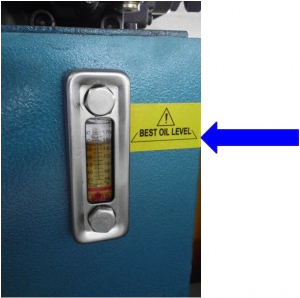
Best Oil Level sticker
It is important that clean hydraulic oil is in the pump before running the machine in order to lubricate the bearings and transmission system.
Therefore, do check the pump once you filled up the oil tank, steps as follow:
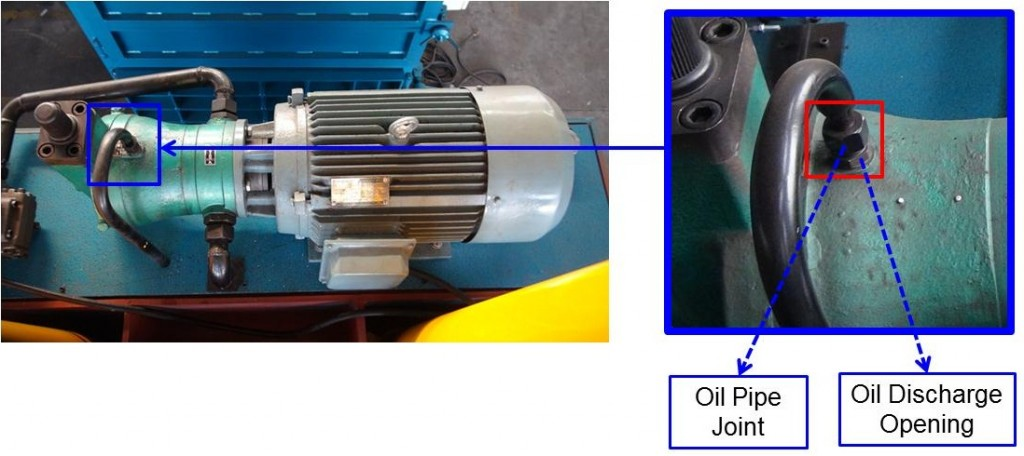
• Unscrew and remove the oil pipe joint using a wrench.
• Once joint and oil pipe is removed, you can see the oil discharge opening. Fill hydraulic oil through the opening until it is full to the brim. (If there is air in the pump, it will create loud noise when you run it, which might cause damages)
• Reconnect the oil pipe and ensure the joint is tightly fastened.
Ejecting a bale from a baler depends on the type of baler (vertical or horizontal) and the material being baled. Here’s a detailed guide:
Safety First
- Ensure the baling cycle is fully complete and the compression ram is fully retracted.
- Clear the area around the ejection path.
- Use appropriate PPE (gloves, shoes, safety goggles).
The Type of Balers
- Common for: Small to medium bales, light materials like cardboard, textiles, aluminum, or plastic.
- Steps to Eject:
- Ensure the baling cycle is complete and the ram is fully retracted.
- Open the front door or chamber door.
- The compressed bale usually drops onto the built-in floor or rollers. You may need to push it slightly with a lever or tool.
- Remove the bale manually or with a pallet jack/forklift if needed.
- Close the door and reset the baler for the next cycle.
- Ensure the baling cycle is complete and the ram is fully retracted.
- Common for: Larger bales, heavier materials like metals, plastics, hay or textiles.
- Steps to Eject:
- Complete the baling and tying cycle.
- Activate the bale ejection system (often hydraulic). This pushes the bale out of the compression chamber. For fully automatic balers, the system automatically ejects the bale onto a conveyor or into a receiving area after compressing and tying.
- The bale is pushed onto the bale chute, conveyor, or floor, depending on the model. For fully automatic balers, operators only need to ensure the path is clear for the bale.
- Use a forklift, pallet jack, or grabber to move the bale to storage or shipment.
- Complete the baling and tying cycle.
Manual or the Available Equipment
1. Manual Handling (Small Bales)
- Suitable for lightweight bales.
- Steps:
- Ensure the baler has completed the compression and tying process.
- Open the ejection door carefully.
- Slide the bale out onto a pallet or a flat, stable surface.
- Use proper lifting techniques to avoid injury (bend knees, keep back straight).
- Ensure the baler has completed the compression and tying process.
⚠️ Safety tip: Always wear gloves and steel-toed shoes when handling metal bales.
2. Using a Forklift or Pallet Jack
- Recommended for medium to large bales.
- Steps:
- Position the forklift or pallet jack at the end of the baler where the bale is ejected.
- If the baler has a bale chute or roller table, let the bale slide onto it first.
- Lift the bale carefully using forks or a pallet, ensuring the load is balanced.
- Transport the bale to storage or shipping area.
- Position the forklift or pallet jack at the end of the baler where the bale is ejected.
💡 Many balers have a built-in roller conveyor that helps bales slide onto a pallet or forklift platform automatically.
3. Using a Grabber or Crane (Heavy/Industrial Bales)
- For very heavy bales (eg. large metal bales).
- Steps:
- Attach a bale grabber or hook to the crane.
- Engage the grabber securely around the bale.
- Lift the bale gently and move it to the storage area.
- Release the bale slowly, ensuring it lands safely.
- Attach a bale grabber or hook to the crane.
⚠️ Safety tip: Always check that the crane or grabber’s lifting capacity exceeds the bale weight.
General Tips
- Always wait until the compression ram has fully retracted before opening doors.
- Regularly maintain rollers or conveyor systems to ensure smooth bale movement.
- Keep hands and tools clear of the ejection path to avoid injury.
- For heavy bales, always use mechanical assistance (forklift, grabber, or conveyor).
- Check the baler’s manual for specific ejection controls and safety interlocks.
I agree that my personal data collected by SINOBALER is processed, used and stored in compliance with data protection exclusively for the purpose of processing my request.
Media and Gallery
Follow us

PRIVACY POLICY
We collect information from you when you fill out an inquiry or contact form. When submitting the form on our site, you may be asked to enter your name and contact details such as: e-mail address, mailing address and/or phone number, etc. Alternatively, you can choose not to complete our forms and visit our site anonymously. Any of the information we collect from you may be used to help us to better respond to your individual needs, and/or enable us to more effectively respond to your customer service requests and support needs. The email address you provided may also be used to send you information and updates pertaining to your inquiry and/or order, in addition to receiving occasional company news, updates, related product or service information, etc. SINOBALER does not sell, trade, or otherwise transfer to outside parties your personally identifiable information. This does not include trusted third parties who assist us in operating our website, conducting our business, or servicing you, so long as those parties agree to keep this information confidential. We may also release your information when we believe release is appropriate to comply with the law, enforce our site policies, or protect ours or others rights, property, or safety.
By using our site, you consent to our online privacy policy. If we decide to change our privacy policy, we will post those changes on this page. If you have any questions or concerns regarding our privacy policy, please e-mail info@sinobaler.com or mail your question to us at 1206 Yinzhou Shanghui Nan Lou, 1299 Yinxian Avenue, Yinzhou District, Ningbo 315192, P.R. China.
EXTERNAL LINKS & DISCLAIMER
Our web site has links to many other organizations with their permission. Upon leaving the SINOBALER web site, you are subject to the privacy policy of the new site which are not under our control. SINOBALER is not responsible for the content of any linked site or any link contained in a linked site. These links are provided to you as a service for you to better understand the different business relationships that SINOBALER has established, and/or to point the reader to other possible relevant resources.