







Swivel Twin Lifting Chamber Baler
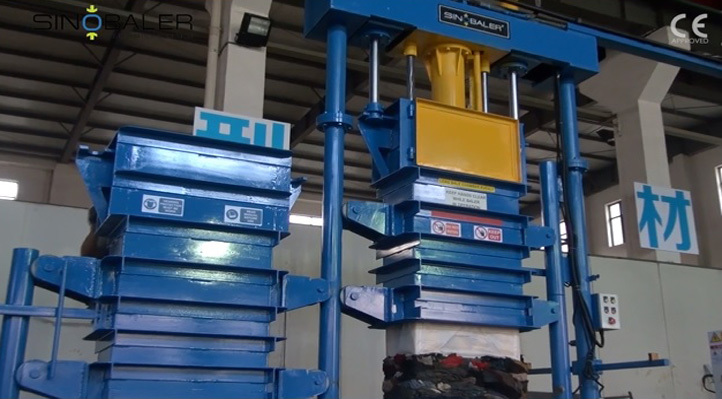
The Swivel Twin Lifting Chamber Baler features a modern design and advanced engineering, making it an efficient solution for textile waste handling. It has two chambers connected by a central pivot—one chamber loads materials while the other compresses, bales, and straps them. This synchronized operation balances loading and processing, improving productivity. When a bale reaches its set compression, the chamber lifts automatically, signaling cycle completion and reducing downtime. Ideal for textile waste exporters and used clothing dealers, this baler offers efficiency, user-friendliness, and labor savings.


Product description
The Swivel Twin Lifting Chamber Baler stands out with its cutting-edge and contemporary design within the range of Sinobaler’s textile balers and used clothes balers. Its state-of-the-art engineering sets it apart as a versatile and efficient solution for textile waste management. It goes by various names, including Lifting Chamber Baler, Chamber Opening Baler, Swivel Twin Baler, and Twin Box Baler.
This innovative baler features two interconnected baling chambers attached to a central pivot. Distinctively, this baler boasts a twin-chamber structure that operates in synergy with a central pivot. One chamber takes charge of efficient material loading, while the other performs the crucial tasks of baling, compressing, and strapping. This synchronized dual-chamber mechanism ensures an optimal balance between loading and processing, revolutionizing work efficiency in the textile waste baling process. As each bale reaches its desired compression, a responsive signal triggers the automatic lifting of the chamber. This ingenious feature promptly signals the completion of the baling cycle and signifies that the bale is ready for subsequent wrapping and strapping, reducing downtime and streamlining the operation.
What truly sets the Swivel Twin Lifting Chamber Baler apart is its ability to leverage the best attributes of both the Lifting Chamber Baler and the Twin Chamber Baler. This amalgamation creates a groundbreaking solution that redefines industry standards. The result is a machine that not only excels in efficiency and effectiveness but also prioritizes user-friendliness and labor optimization.
For textile waste exporters or dealers in pre-owned clothing, this baler offers an expedited and simplified approach to producing meticulously wrapped and cross-strapped bales. The Swivel Twin Lifting Chamber Baler represents a seamless convergence of innovation and practicality, ensuring that your baling process aligns with the demands of the modern waste management landscape.
For inquiries about our pre-existing model or to explore custom baling solutions tailored to your specific needs, we encourage you to get in touch with us. Be sure to also explore our range of shredders to complement your waste management strategy.
Main Features
- Dual-chamber Structure
for carrying out loading and baling synchronously to increase working efficiency - Lifting Chamber
for easy operation and promoting work efficiency - Cross Strapping
for making tight and neat bales - Availability for Bale Wrapping
either plastic bags or sheets can be used as the wrapping material, protecting the textile material from getting damp or stained - High-density Bale
Platen keeps on pressing until pressing force reaches the maximum pressure value pre-set, making sure the material is thoroughly pressed - Electric Controlled
for easy operation, simply operating on buttons to run the machine
Specifications
| Model | Bale size | Bale weight (for used clothes) | Throughput | Strapping | ||
|---|---|---|---|---|---|---|
| Length | Width | Height | ||||
| SVBT2-L2C-400 |
700 mm (27 inch) |
400 mm (16 inch) |
300-700 mm (12-27 inch) |
25-80 kg (55-176 lbs) |
25-30 bales/hr |
PET strap, steel wire, hemp rope, etc. |
CUSTOMER CASES

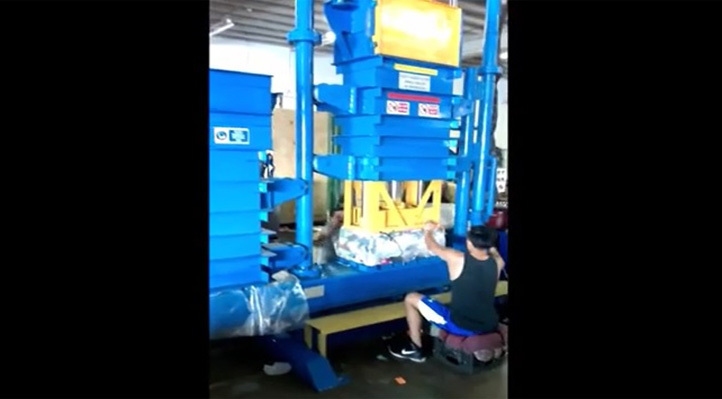
BALING Applications
This versatile baler is suitable for secondhand clothes, towels, used shoes, rags, fabrics, textile fibers, and other textile waste.
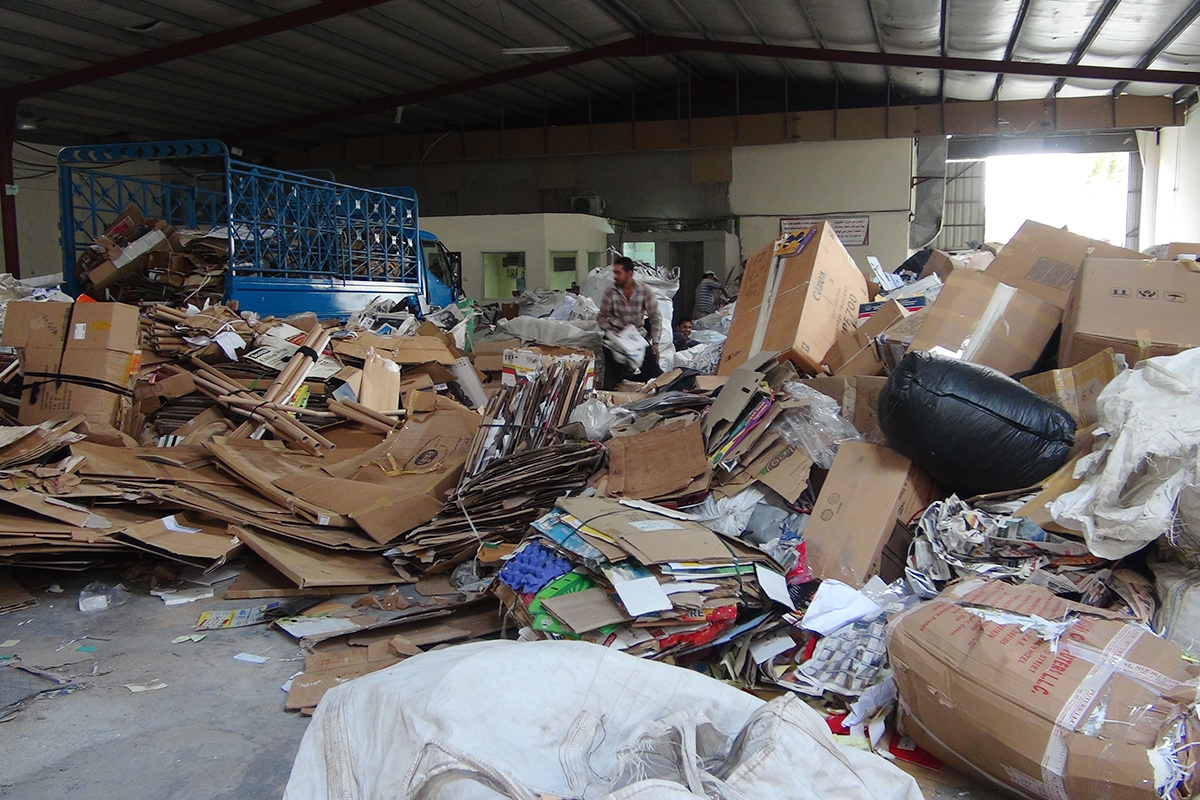
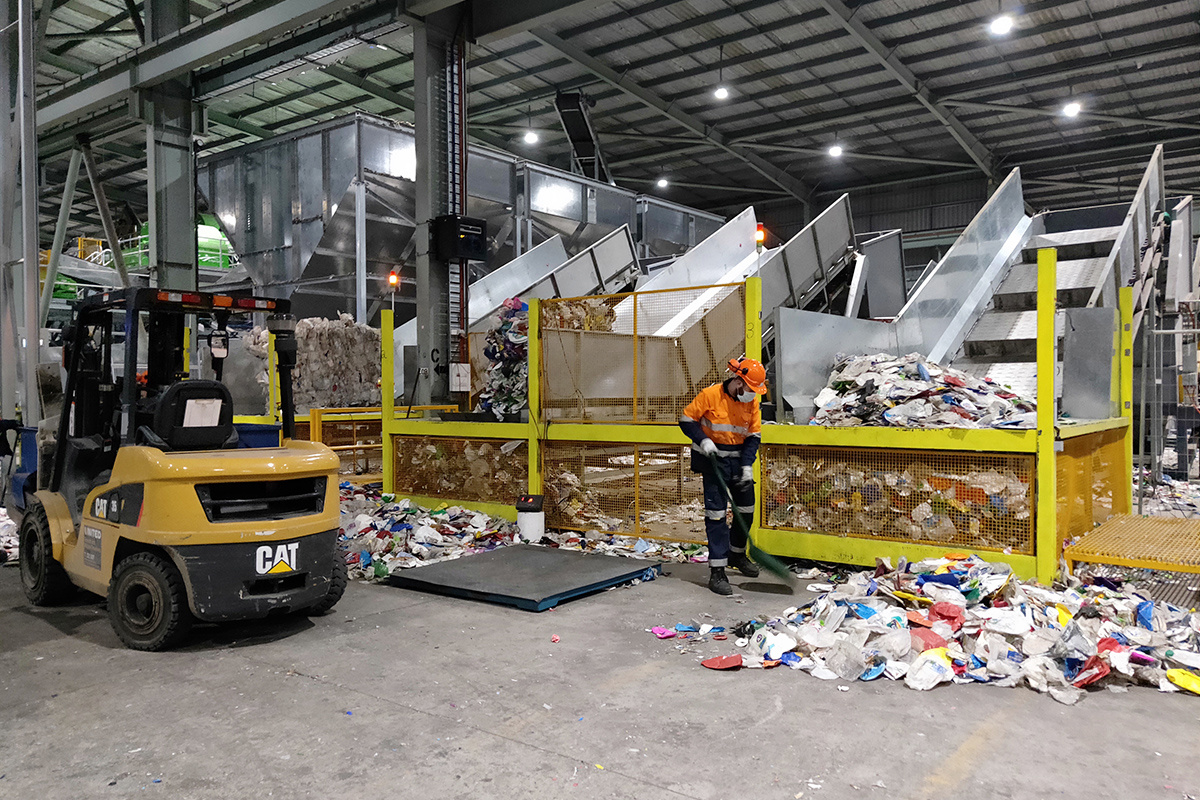
Applicable industries
RELATED Baler & Accessories
FAQ about this machine
When it comes to textile recycling, both lifting chamber balers and bagging balers are widely used—but which one is truly the best for your needs? At SINOBALER, this is one of the questions we hear most often. Drawing on years of hands-on experience, we’ve put together a clear guide to help you choose the right baler with confidence.
1. Lifting Chamber Baler – Ideal for Clothing and Textile Recycling
What It Does Best
- Specifically designed for used clothes, rags, towels, and textile waste
- Chamber lifts up, making tying, wrapping, and bale removal easy
- Supports manual wrapping using plastic or woven bags to protect textiles
- Can be operated by a single person, saving labor
- Typical bale weight: 40–500 kg
Popular Baling Machines in SINOBALER


Key Advantages
- ✔ Excellent for second-hand clothing export
- ✔ Produces clean, square bales with a professional presentation
- ✔ Flexible wrapping options, which is important for resale markets
Limitations
- ❌ Requires more manual work for tying and handling
- ❌ Lower automation and throughput compared to continuous systems
2. Bagging Baler – Best for Loose Fiber and Bulk Materials
What It Does Best
- Compresses and bags in a single step
- Typical bale weight: 1–20 kg
- Ideal for:
- Cotton fiber
- Wool
- Synthetic fibers
- Biomass or other loose textile materials
Popular Baling Machine in SINOBALER

Key Advantages
- ✔ Faster operation (no separate wrapping step)
- ✔ Cleaner handling (bales come already bagged)
- ✔ Works well with loose, fluffy materials
Limitations
- ❌ Not suitable for wearable clothes or sorted garments
- ❌ Limited flexibility in bale shape and presentation
- ❌ Less preferred by buyers in the second-hand clothing market
🧠 How to Choose the Right Baler
Choose a Lifting Chamber Baler if:
- You handle:
- Used clothes
- Sorted garments
- Export textiles
- You need:
- Clean, well-shaped bales
- Manual quality control for resale purposes
- Your business focus is:
- Clothing recycling
- Second-hand clothing export
✅ This is the most common choice for textile recyclers worldwide.
Choose a Bagging Baler if:
- You handle:
- Loose fiber (cotton, polyester, wool)
- Shredded textiles
- You want:
- Faster, more automated workflow
- Minimal manual labor
- Your output is:
- Raw material for further processing, not wearable goods
💡 Simple Rule of Thumb
- 👕 Clothes → Lifting Chamber Baler
- 🧵 Fiber / fluff → Bagging Baler
Based on SINOBALER’s extensive experience, customers using bagging balers generally prefer smaller textile bales ranging from 1 to 20 kg, with around 10 kg considered ideal. In contrast, textile bales produced by lifting chamber balers are typically larger, usually over 40 kg, making them perfect for clothing export and resale markets.
Watch demo operations from SINOBALER various textile balers.
Typical demo operation by SINOBALER baling machines:
- Efficient lifting chamber baler for used clothes
- Rags baling with scale weighing horizontal bagging baler
- Automatic weighing vertical bagging baler for clothes and rags
Quick links:
✅ Request Solution | FAQ | Request Layout Design | Watch Demo
Why Textile Waste Requires Specialized Baling Equipment
Textile waste requires specialized compression equipment because fabrics are soft, elastic, and difficult to compact efficiently. Recycling facilities, garment factories, and used clothing exporters commonly choose between a common vertical baler and a lifting chamber baler. While vertical balers offer economical volume reduction, lifting chamber balers produce cleaner, export-quality textile bales that improve handling efficiency and resale value.
With global textile recycling expanding rapidly, selecting the correct baling solution directly impacts labor cost, logistics efficiency, and overall recycling profitability.
What Is a Common Vertical Baler?
A common vertical baler, also called a downstroke baler, compresses material using a hydraulic ram moving vertically from top to bottom.
How It Works
Operators load textile waste into the chamber, and the ram compresses materials repeatedly until the desired bale density is reached. The bale is then tied manually and ejected.
Advantages for Textile Scrap
- Low investment cost
- Compact machine footprint
- Multi-material capability
- Suitable for small and medium recyclers
- Simple installation and operation
Limitations When Handling Used Clothing
Soft textile fibers expand after compression, which may cause:
- Deformed bale shape
- Increased labor during wrapping
- Lower resale appearance
👉 Vertical balers are ideal for textile offcuts, fabric scraps, and waste reduction applications.
What Is a Lifting Chamber Baler?
A lifting chamber baler is specially engineered for compressing soft recyclable materials such as clothing, rags, towels, and mixed textiles.
How It Works
Instead of ejecting the bale, the compression chamber lifts upward after pressing, leaving the finished bale on the base platform for easy tying and wrapping.
Benefits for Textile Recycling Operations
- Designed specifically for textile materials
- Easy bale tying and bagging
- Uniform square bale shape
- Higher bale presentation quality
- Improved export and resale value
Industries commonly using lifting chamber balers include:
- Used clothing exporters
- Textile recycling plants
- Charity sorting centers
- Second-hand clothing traders
Common Vertical Baler vs Lifting Chamber Baler: Key Differences
| Feature | Common Vertical Baler | Lifting Chamber Baler |
|---|---|---|
| Compression Method | Downward ram | Chamber lifting system |
| Textile Compatibility | Good | ⭐ Excellent |
| Bale Appearance | Standard | Export quality |
| Wrapping Efficiency | N/A | Very easy |
| Investment Cost | Lower | Medium |
| Best Application | Waste reduction | Textile resale/export |
Which Baler Is Best for Different Types of Textile Waste?
Textile Factory Offcuts
Garment manufacturing generates loose cutting scraps that mainly require volume reduction.
✅ Recommended: Vertical Baler
Used Clothing Recycling Centers
Facilities sorting reusable clothing need clean, uniform bales suitable for resale markets.
✅ Recommended: Lifting Chamber Baler
Charity & Donation Organizations
Manual labor efficiency and easy bale handling are critical.
✅ Recommended: Lifting Chamber Baler
Textile Export Businesses
Export containers require dense, well-wrapped bales to maximize shipping efficiency.
✅ Recommended: Lifting Chamber Baler
How the Right Baler Increases Textile Recycling Profits
Choosing the correct baler delivers measurable economic benefits:
Reduced Transportation Costs
Higher bale density means more textiles per container shipment.
Improved Bale Quality
Professional bale appearance increases buyer confidence and resale pricing.
Labor Savings
Easy tying and unloading reduce operator workload and improve productivity.
Faster Container Loading
Uniform bale dimensions simplify stacking and logistics planning.
Key Factors to Consider Before Choosing a Textile Baler
Before investing in textile baling equipment, evaluate:
- Daily processing capacity
- Desired bale weight (40–500 kg typical)
- Available installation space
- Operator availability
- Export market requirements
- Material type (scrap vs reusable clothing)
A correct equipment match ensures long-term operational efficiency.
Recommended Textile Baling Solutions from SINOBALER
As an experienced manufacturer of recycling machinery, SINOBALER provides customized textile waste baling solutions for global recyclers.
Typical solutions include:
- Vertical textile balers for factory waste reduction
- Lifting chamber balers for used clothing export
- Bagging balers for small textile bales
- Semi-automatic and automatic textile baling systems
- Complete textile recycling and container loading solutions
Engineering consultation helps customers select machines based on real production requirements rather than machine size alone.
Frequently Asked Questions About Textile Waste Balers
Which baler is best for used clothing?
A lifting chamber baler is typically preferred because it produces uniform, easy-to-wrap export bales.
Can vertical balers compress textile waste efficiently?
Yes. Vertical balers work well for fabric scraps and non-resale textile waste where appearance is less important.
What bale weight is ideal for clothing export?
Most exporters prefer textile bales between 80–450 kg depending on container loading strategy.
Why are lifting chamber balers popular in textile recycling?
They simplify bale removal, improve wrapping efficiency, and maintain bale shape after compression.
Real Textile Recycling Application Examples
- Garment factory compressing cutting waste for disposal savings
- Used clothing exporter shipping second-hand apparel overseas
- Charity organization preparing donation textiles for redistribution
- Recycling facility improving warehouse space utilization
These real applications demonstrate how proper baler selection directly improves operational efficiency.
Choosing the Right Baler for Maximum Textile Recycling Efficiency
Both machines play important roles in textile waste management:
✅ Vertical Baler — Best for economical textile waste volume reduction
✅ Lifting Chamber Baler — Best for reusable clothing, resale, and export markets
Understanding your material type, production volume, and business objective is the key to selecting the most profitable baling solution.
👉 For customized textile recycling solutions, consult SINOBALER engineers to determine the ideal baler configuration for your operation.
It is important that clean hydraulic oil is in the pump before running the machine in order to lubricate the bearings and transmission system.
Therefore, do check the pump once you filled up the oil tank, steps as follow:
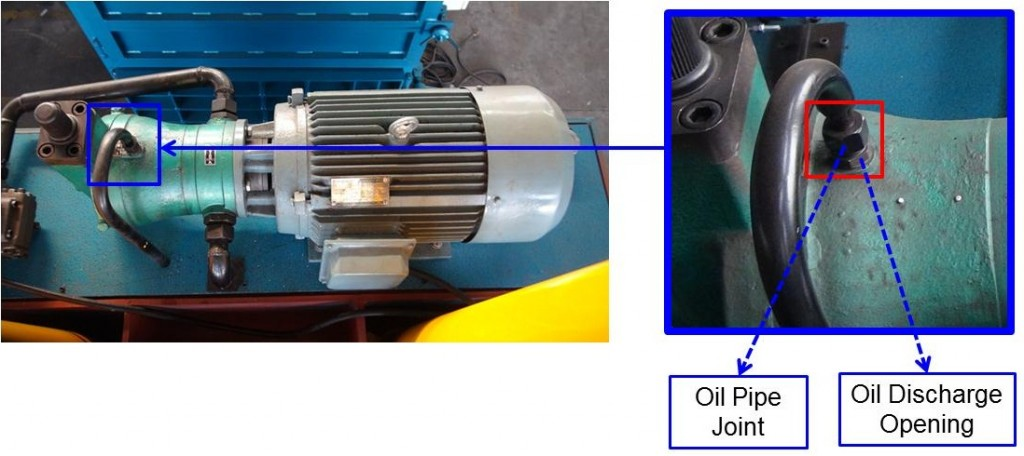
• Unscrew and remove the oil pipe joint using a wrench.
• Once joint and oil pipe is removed, you can see the oil discharge opening. Fill hydraulic oil through the opening until it is full to the brim. (If there is air in the pump, it will create loud noise when you run it, which might cause damages)
• Reconnect the oil pipe and ensure the joint is tightly fastened.
Upon releasing your baling machine from our factory, we will indicate the required amount of hydraulic oil based on your working condition and environment temperature, and reflect it as Best Oil Level for your baler.
You can easily refer to the “Best Oil Level” stickers as a gauge when you are filling up the oil tank and conduct regular checks on oil level (as seen on picture, slight variation above or below the level line is acceptable).
Taking into consideration that actual operation hours and conditions may varies from time to time, regular checks on oil temperature and level is strongly recommended.
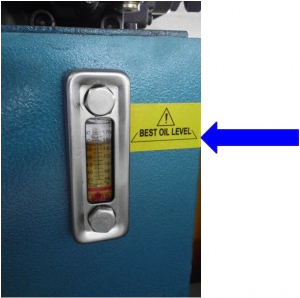
Best Oil Level sticker
Please follow the steps below to learn how to adjust compressing pressure on your baling machine. Increasing or decreasing the compressing pressure will directly affect the density of your bale. However, we strongly advise you to refer to the safety working pressure stated on your Operator Instruction Manual to ensure you don’t go above the limit.

Pressure adjustment steps for Swivel Twin Baler:
1. Switch on the power and start the motor.
2. Loosen the nut (as shown on picture above) using a wrench. Adjust overflow valve (see B) by turning handle clockwise during baling, you will see the pointer of pressure gauge (see A) increases gradually during the process.
3. If you turning the valve to opposite direction (i.e. anti-clockwise), and you will see a decrease of pressure.
NOTE:
– Adjust the valve slowly to achieve desired pressure, check the pressure gauge at all time so as to not increase/decrease too much at one time.
– The recommended pressure has already been set at our factory before delivery. Therefore, do not make any adjustment to pressure unless it is necessary.
– Remember to tighten the nut after adjustment is done.
All our vertical balers are equipped with the adjustable bale height function, allowing the users to have the flexibility to adjust bale height according to their preference and requirements.
There are 2 types of devices to control bale height:
Type 1 – by Limit Switch
Type 2 – by Trigger Ring
Therefore, please refer to the appropriate device of your baler, and make the necessary adjustment as follow:
Type 1 – Limit Switch
• Move limit switch as per picture below within the adjustable range to adjust bale height as per your preference.

Type 2 – Trigger Ring
• Move trigger ring as per picture below within the adjustable range to adjust bale height as per your preference.

I agree that my personal data collected by SINOBALER is processed, used and stored in compliance with data protection exclusively for the purpose of processing my request.
Media and Gallery
Follow us

PRIVACY POLICY
We collect information from you when you fill out an inquiry or contact form. When submitting the form on our site, you may be asked to enter your name and contact details such as: e-mail address, mailing address and/or phone number, etc. Alternatively, you can choose not to complete our forms and visit our site anonymously. Any of the information we collect from you may be used to help us to better respond to your individual needs, and/or enable us to more effectively respond to your customer service requests and support needs. The email address you provided may also be used to send you information and updates pertaining to your inquiry and/or order, in addition to receiving occasional company news, updates, related product or service information, etc. SINOBALER does not sell, trade, or otherwise transfer to outside parties your personally identifiable information. This does not include trusted third parties who assist us in operating our website, conducting our business, or servicing you, so long as those parties agree to keep this information confidential. We may also release your information when we believe release is appropriate to comply with the law, enforce our site policies, or protect ours or others rights, property, or safety.
By using our site, you consent to our online privacy policy. If we decide to change our privacy policy, we will post those changes on this page. If you have any questions or concerns regarding our privacy policy, please e-mail info@sinobaler.com or mail your question to us at 1206 Yinzhou Shanghui Nan Lou, 1299 Yinxian Avenue, Yinzhou District, Ningbo 315192, P.R. China.
EXTERNAL LINKS & DISCLAIMER
Our web site has links to many other organizations with their permission. Upon leaving the SINOBALER web site, you are subject to the privacy policy of the new site which are not under our control. SINOBALER is not responsible for the content of any linked site or any link contained in a linked site. These links are provided to you as a service for you to better understand the different business relationships that SINOBALER has established, and/or to point the reader to other possible relevant resources.