






Home | Blog |

Sesame Husk Baler
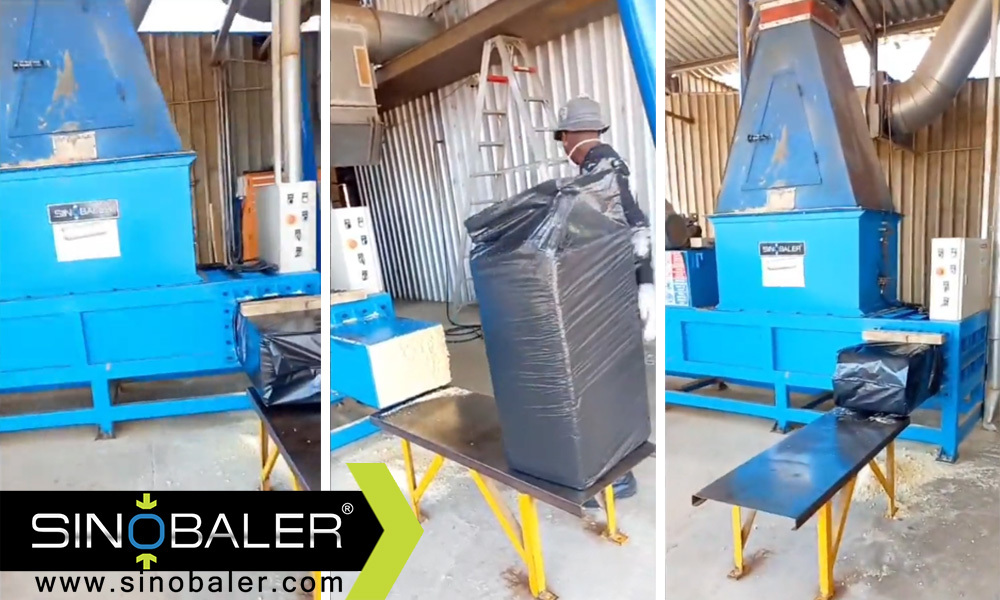
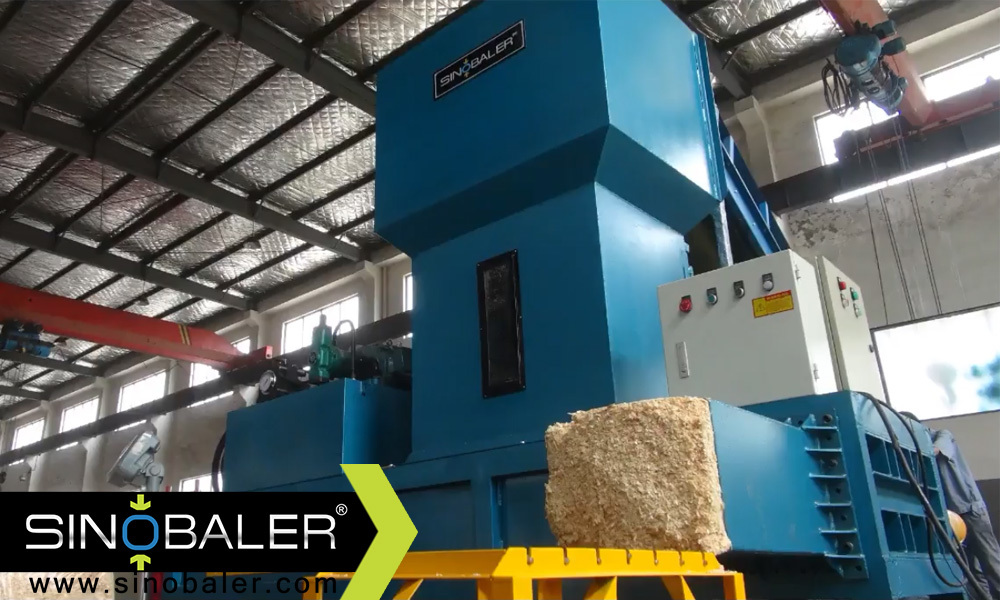
A sesame husk baler is a specialized machine used in the agricultural and agro-industrial sector to compact and bale sesame husks. Sesame husks are the outer shells or hulls that encase the sesame seeds. After sesame seeds are harvested, the husks are often left as waste or byproducts of sesame processing. Baling sesame husks can be an efficient way to manage this agricultural waste and make it easier to transport and store.
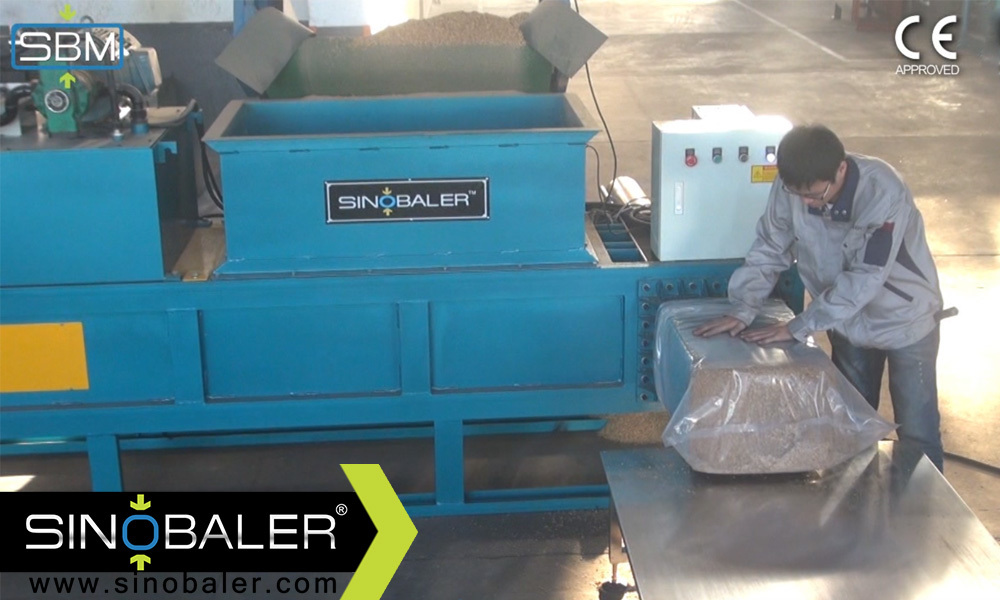
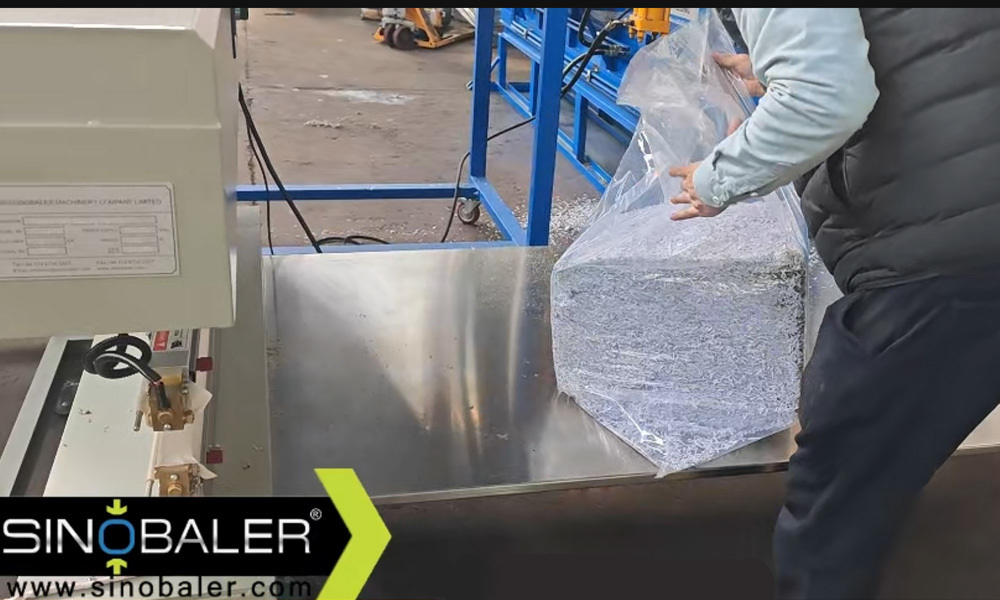
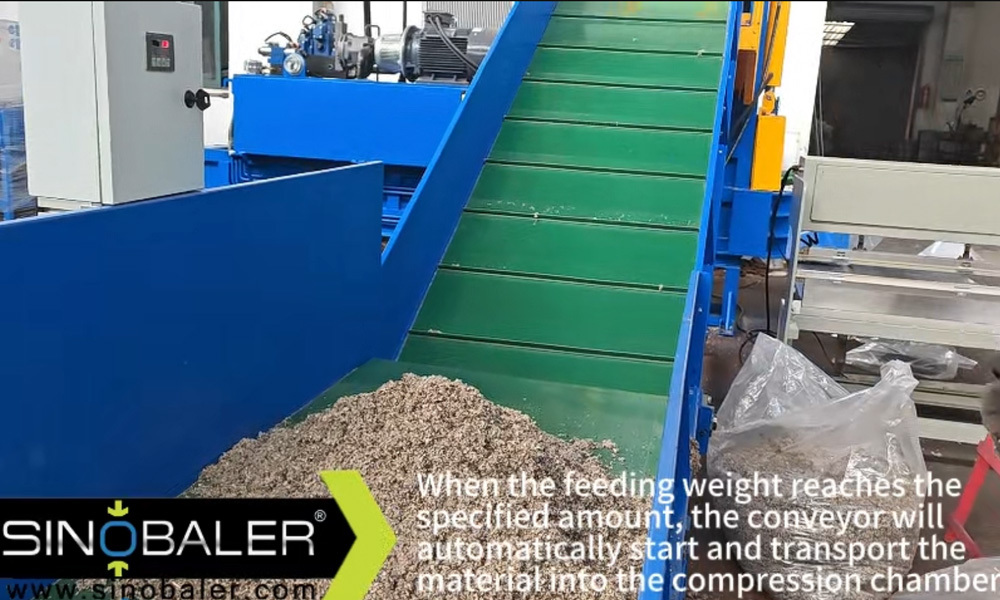
Sesame husk baler machines are designed to compress sesame husks into compact and manageable bales. The baling process involves feeding the husks into the machine, which then applies pressure to compress them into tightly packed bales. Most modern sesame husk balers use hydraulic systems to apply the necessary pressure for compacting the husks into bales. Hydraulic cylinders exert force on the material to achieve compression.
These balers come in various sizes and capacities, depending on the volume of sesame husks generated in a particular agricultural or industrial setting. Sesame husk balers are designed for user-friendly operation. They typically have controls that allow operators to adjust the compression settings, and some models may have automated features to streamline the process. Once the husks are baled, they can be stored more efficiently, transported to processing facilities, or even used for various purposes. Baled sesame husks can find applications in industries such as animal feed production, biomass fuel production, and even as a source of fiber for various products.
The benefits of baling sesame husk
Baling sesame husks serves several important purposes and offers several benefits in agricultural and industrial settings. Here are some reasons why it is necessary to bale sesame husks:
Waste Reduction: Sesame husks are a byproduct of sesame seed processing. Without baling, they can accumulate as loose and bulky waste, taking up valuable space. Baling compresses the husks into compact, manageable bales, reducing the volume of waste and making it easier to handle.
Storage Efficiency: Baled sesame husks are easier to store than loose husks. They can be stacked neatly in storage areas, reducing the required storage space. This is especially important for sesame processing facilities with limited storage capacity.
Transportation: Baling sesame husks facilitates their transportation from the processing facility to other locations where they may be used or processed further. Compact bales are easier to load onto trucks or transport via other means, reducing transportation costs.
Ease of Handling: Handling loose sesame husks can be labor-intensive and messy. Baled husks are more convenient to handle and can be moved using forklifts or other material handling equipment.
Value Addition: Baling sesame husks can add value to what is otherwise considered waste. These compacted bales can be sold or used in various applications, such as animal feed, biomass fuel production, or as a source of fiber for various products. This can generate additional income for sesame processing facilities.
Environmental Benefits: Efficient waste management through baling contributes to environmental sustainability. It reduces the environmental footprint associated with waste disposal and promotes responsible waste handling practices.
Regulatory Compliance: In some regions, there may be regulations governing the disposal and management of agricultural waste, including sesame husks. Baling and proper disposal or utilization of the husks can help businesses comply with these regulations.
Resource Optimization: Baling sesame husks optimizes the use of available resources. Instead of letting a valuable byproduct go to waste, it can be put to use in various applications, reducing the need for additional raw materials.
Sesame husk balers play a crucial role in agricultural waste management and can contribute to the sustainability and efficiency of sesame processing operations. They help reduce waste, improve storage and transportation logistics, and offer opportunities for the utilization of sesame husks in various industries, thereby maximizing the value of this agricultural byproduct.
Quick links:
Other Blogs

Wheat Husk Baler
2024/12/19
Wheat husk, a byproduct of wheat harvesting, is a valuable material with diverse applications. From animal bedding and biofuel production to composting and mulching, the demand for wheat husk continues to grow. However, managing and transporting loose wheat husk can be challenging due to its bulkiness and low density. A wheat husk baler offers an

Paddy Husk Baler Machine
2023/04/07
Paddy husk, also known as rice husk, is the outer layer of rice grain. It is separated from the grain during the milling process and is considered a byproduct. Paddy husk is rich in cellulose and lignin, which makes it a valuable source of renewable energy. It is commonly used as fuel for boilers, furnaces, […]

Mustard Husk Baler Machine
2023/03/14
Mustard husk is also known as mustard straw or mustard stalks. It is an agricultural waste product that is generated after the harvesting of mustard crops. It is an excellent raw material for producing the silica (SiO2). So it can be used as the industry fuel for heating the water in boilers for power generation. […]

Rice Husk Packing Machine
2019/05/31
What is rice husk? Rice husk is the hard protecting coverings of grains of rice. During milling process, the rice hulls are separated from the rice grains. People used to consider rice husk as a waste product. So they often burn or dump into landfills. But nowadays, we are using rice husks as building material, […]

Sunflower Husk Baler/Sunflower shell Baler
2018/03/28
The process of producing sunflower kernels implies dehulling sunflower seeds and separating them from their husk or shell. Then you can collect the sunflower shell separately and produce sunflower pellets. Sunflower husk pellets are the by-product of sunflower oil extraction process. Sunflower oil factories always has big quantities of sunflower husk pellets. If you have […]
Related Videos

Other Blogs
2024/12/19
Wheat husk, a byproduct of wheat harvesting, is a valuable material with diverse applications. From animal bedding and biofuel production to composting and mulching, the demand for wheat husk continues to grow. However, managing and transporting loose wheat husk can be challenging due to its bulkiness and low density. A wheat husk baler offers an
2023/04/07
Paddy husk, also known as rice husk, is the outer layer of rice grain. It is separated from the grain during the milling process and is considered a byproduct. Paddy husk is rich in cellulose and lignin, which makes it a valuable source of renewable energy. It is commonly used as fuel for boilers, furnaces, […]
2023/03/14
Mustard husk is also known as mustard straw or mustard stalks. It is an agricultural waste product that is generated after the harvesting of mustard crops. It is an excellent raw material for producing the silica (SiO2). So it can be used as the industry fuel for heating the water in boilers for power generation. […]
2019/05/31
What is rice husk? Rice husk is the hard protecting coverings of grains of rice. During milling process, the rice hulls are separated from the rice grains. People used to consider rice husk as a waste product. So they often burn or dump into landfills. But nowadays, we are using rice husks as building material, […]
Sunflower Husk Baler/Sunflower shell Baler
2018/03/28
The process of producing sunflower kernels implies dehulling sunflower seeds and separating them from their husk or shell. Then you can collect the sunflower shell separately and produce sunflower pellets. Sunflower husk pellets are the by-product of sunflower oil extraction process. Sunflower oil factories always has big quantities of sunflower husk pellets. If you have […]
Media and Gallery
Follow us


PRIVACY POLICY
We collect information from you when you fill out an inquiry or contact form. When submitting the form on our site, you may be asked to enter your name and contact details such as: e-mail address, mailing address and/or phone number, etc. Alternatively, you can choose not to complete our forms and visit our site anonymously. Any of the information we collect from you may be used to help us to better respond to your individual needs, and/or enable us to more effectively respond to your customer service requests and support needs. The email address you provided may also be used to send you information and updates pertaining to your inquiry and/or order, in addition to receiving occasional company news, updates, related product or service information, etc. SINOBALER does not sell, trade, or otherwise transfer to outside parties your personally identifiable information. This does not include trusted third parties who assist us in operating our website, conducting our business, or servicing you, so long as those parties agree to keep this information confidential. We may also release your information when we believe release is appropriate to comply with the law, enforce our site policies, or protect ours or others rights, property, or safety.
By using our site, you consent to our online privacy policy. If we decide to change our privacy policy, we will post those changes on this page. If you have any questions or concerns regarding our privacy policy, please e-mail info@sinobaler.com or mail your question to us at 1206 Yinzhou Shanghui Nan Lou, 1299 Yinxian Avenue, Yinzhou District, Ningbo 315192, P.R. China.
EXTERNAL LINKS & DISCLAIMER
Our web site has links to many other organizations with their permission. Upon leaving the SINOBALER web site, you are subject to the privacy policy of the new site which are not under our control. SINOBALER is not responsible for the content of any linked site or any link contained in a linked site. These links are provided to you as a service for you to better understand the different business relationships that SINOBALER has established, and/or to point the reader to other possible relevant resources.