







Home | Blog |

Stationary Press Machine
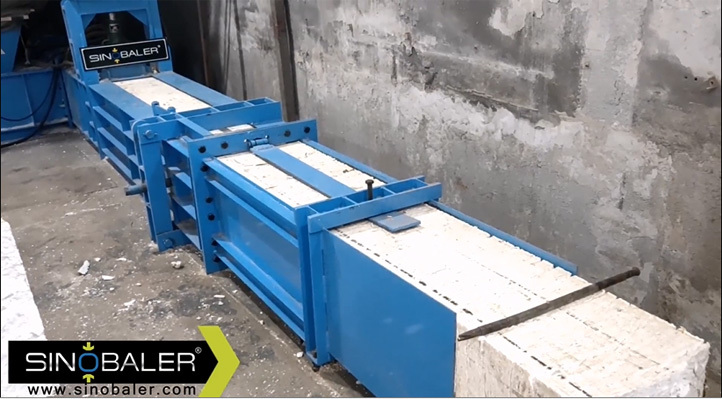
A stationary press machine, also known as a stationary press or hydraulic press, is a versatile industrial machine used to compress various materials into specific shapes or forms. It is a powerful mechanical device that utilizes hydraulic force to exert pressure on the material being processed.
Structure and Hydraulic System
A stationary press machine typically consists of a sturdy frame, a hydraulic system, a ram or plunger, and a control panel. The frame provides the machine with stability and support, while the hydraulic system generates the force needed to operate the press. The heart of the stationary press is the hydraulic system, which comprises a hydraulic pump, cylinders, valves, and hoses. Hydraulic fluid (usually oil) is pumped into the cylinders, creating pressure that moves the ram or plunger, applying force to the material being processed. Operating a stationary press machine requires caution due to the high force involved. Adequate safety measures, such as safety guards, emergency stop buttons, and safety protocols, are essential to prevent accidents and injuries. Some modern stationary press machines are equipped with automation features like programmable logic controllers (PLCs) that enable precision control, repeatable processes, and efficient production.
Force and Capacity
Stationary press machines come in various sizes and capacities, ranging from small machines used in workshops to large industrial presses with tremendous force capabilities. The force exerted by these machines can range from a few tons to thousands of tons, depending on the application and size of the press.
Applications
Stationary press machines are designed to compress or bale a wide range of materials, both recyclable and non-recyclable. The materials that can be processed by these machines vary in terms of composition, shape, and size. Some common materials that can be compressed or baled using stationary press machines include:
Metal Scrap: Various types of metal scrap, such as aluminum, steel, copper, and brass, can be compacted into dense bales for easier storage and transportation. Metal recycling industries extensively use stationary press machines for this purpose.
Plastic: Different types of plastics, including PET bottles, HDPE containers, LDPE films, and plastic packaging materials, can be baled to reduce volume and facilitate recycling or proper disposal.
Paper: Cardboard boxes, corrugated cardboard, office paper, newspapers, magazines, and other paper-based materials can be compressed into bales for recycling or waste management.
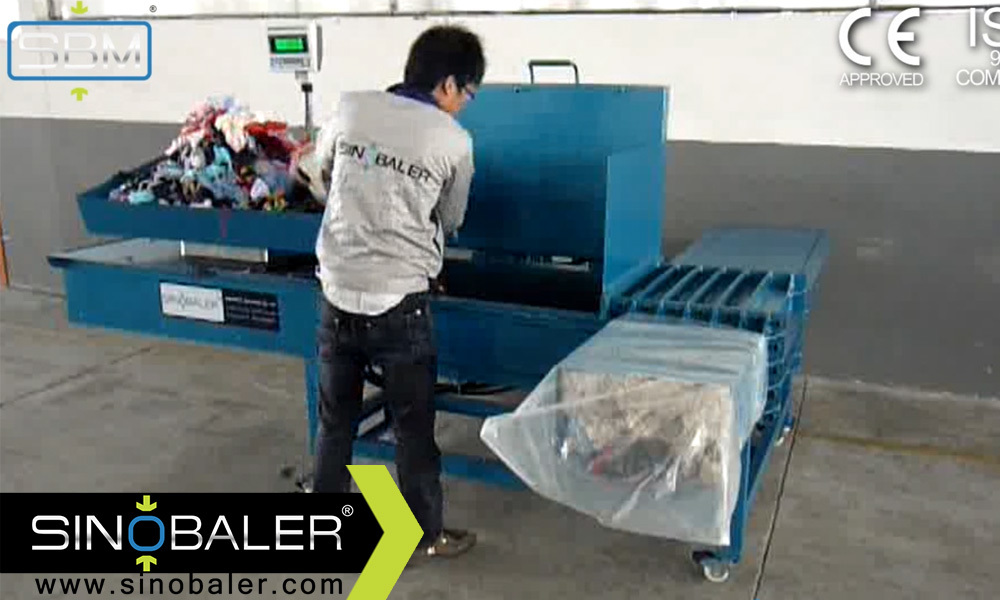
Textiles: Stationary press machines can compress textile materials like clothing, fabrics, and rags into compact bales, which are then reused or sent for recycling.
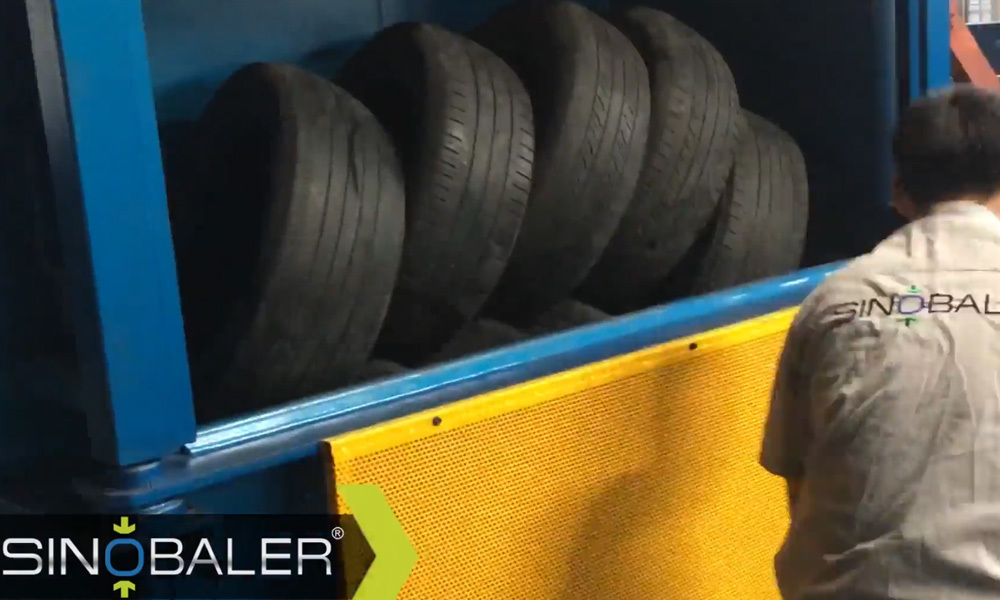
Rubber: Used tires, rubber sheets, and other rubber products can be baled to create a manageable form for recycling or disposal.
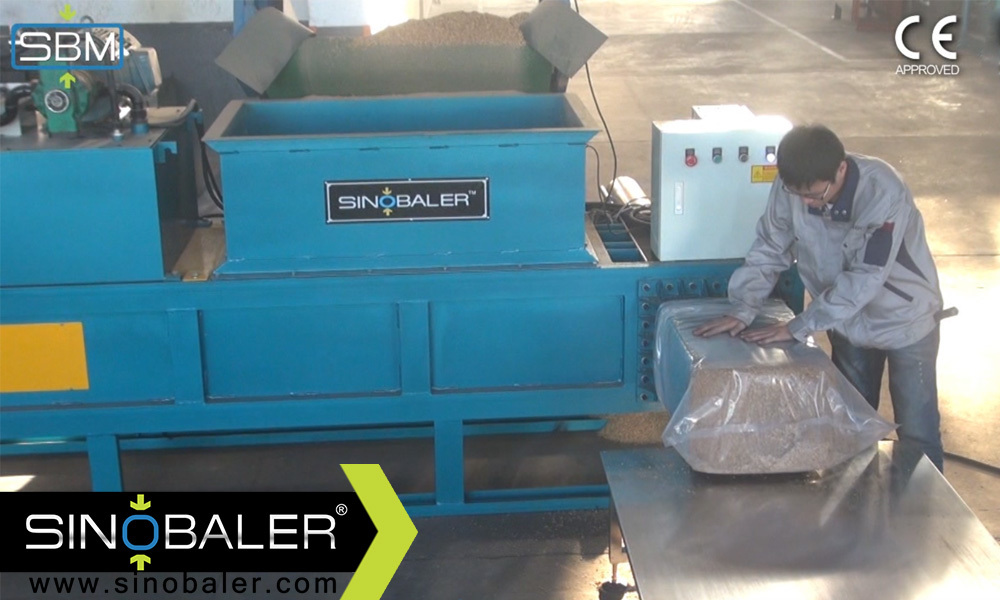
Fiberboard: Fiberboard waste and wood chips generated from woodworking processes can be compressed into dense bales for recycling or energy recovery.
Biomass: Biomass materials like straw, hay, agricultural residues, and energy crops can be baled for storage or utilization in bioenergy production.
Scrap Electronics(E-waste): E-waste items such as discarded electronics and electrical appliances can be compressed into bales for proper handling and recycling.
Cans: Aluminum cans and tin cans can be baled to optimize storage and transportation before they are recycled.
Beverage Cartons: Cartons used for milk, juice, and other beverages can be compressed into bales for recycling.
Waste Plastics and Municipal Solid Waste(MSW): In some waste management systems, stationary presses are used to bale mixed waste plastics and other types of MSW for landfill management or energy recovery.
Stationary press machines are indispensable tools in many industrial processes, enabling efficient and accurate shaping of various materials. Their versatility and power make them valuable assets in manufacturing, engineering, and production environments. Depending on the specific requirements of a particular application, the tooling or dies used in the press can be customized to shape the material accordingly. Contact SINOBALER today to find your ideal baling press solution.
Quick links:
Other Blogs

Aluminum Briquette Press
2025/08/07
An aluminum briquette press is a hydraulic machine designed to compress aluminum chips or shavings into solid briquettes without the need for binders. These briquettes are much smaller in volume, yet highly dense, making them easier to handle, transport, and remelt. Whether from CNC machining, sawing, or milling operations, the press can handle dry or slightly oily aluminum waste efficiently.

Textile Bagging Press
2025/07/28
A textile bagging press is a specialized baling machine designed to compress textile materials—such as used clothes, rags, towels, fabric scraps, or fibers—into compact bales and automatically wrap them in bags. This dual function of pressing and bagging makes the machine particularly valuable for recycling centers, textile exporters, donation organizations, and second-hand clothing distributors.

Foam Compressor Machine
2025/07/04
The Foam Compressor is an essential piece of equipment for any facility dealing with bulky foam waste, such as EPS (Expanded Polystyrene), EPE (Expanded Polyethylene), EPP, and other foam materials. This machine compresses lightweight foam into dense, manageable blocks, significantly reducing the volume and storage costs of foam waste while preparing it for easy transportation

Fiber Compression Baler
2025/07/03
A Fiber Compression Baler is a specialized baling machine designed to compress and pack loose, bulky fiber materials into dense, manageable bales. These machines are widely used in industries handling natural fibers, synthetic fibers, and textile byproducts, offering a space-saving and cost-effective solution for storage, transportation, and resale.

Wool Bale Press Machine
2025/02/10
The wool industry relies on efficient packaging and storage solutions to ensure smooth processing, transportation, and distribution. A wool bale press machine is an essential piece of equipment designed to compact wool fibers into standardized bales for easy handling. This article explores the working principle, benefits, and applications of wool bale press machines in the

Plastic Bottle Press
2025/01/17
Plastic bottles are among the most commonly used packaging materials globally. However, their disposal and recycling pose significant challenges due to their size, shape, and the high volume of waste they generate. A plastic bottle press is an efficient and eco-friendly solution for addressing these challenges, offering a way to reduce the volume of plastic
Related Videos



Other Blogs
2025/08/07
An aluminum briquette press is a hydraulic machine designed to compress aluminum chips or shavings into solid briquettes without the need for binders. These briquettes are much smaller in volume, yet highly dense, making them easier to handle, transport, and remelt. Whether from CNC machining, sawing, or milling operations, the press can handle dry or slightly oily aluminum waste efficiently.
2025/07/28
A textile bagging press is a specialized baling machine designed to compress textile materials—such as used clothes, rags, towels, fabric scraps, or fibers—into compact bales and automatically wrap them in bags. This dual function of pressing and bagging makes the machine particularly valuable for recycling centers, textile exporters, donation organizations, and second-hand clothing distributors.
2025/07/04
The Foam Compressor is an essential piece of equipment for any facility dealing with bulky foam waste, such as EPS (Expanded Polystyrene), EPE (Expanded Polyethylene), EPP, and other foam materials. This machine compresses lightweight foam into dense, manageable blocks, significantly reducing the volume and storage costs of foam waste while preparing it for easy transportation
2025/07/03
A Fiber Compression Baler is a specialized baling machine designed to compress and pack loose, bulky fiber materials into dense, manageable bales. These machines are widely used in industries handling natural fibers, synthetic fibers, and textile byproducts, offering a space-saving and cost-effective solution for storage, transportation, and resale.
2025/02/10
The wool industry relies on efficient packaging and storage solutions to ensure smooth processing, transportation, and distribution. A wool bale press machine is an essential piece of equipment designed to compact wool fibers into standardized bales for easy handling. This article explores the working principle, benefits, and applications of wool bale press machines in the
2025/01/17
Plastic bottles are among the most commonly used packaging materials globally. However, their disposal and recycling pose significant challenges due to their size, shape, and the high volume of waste they generate. A plastic bottle press is an efficient and eco-friendly solution for addressing these challenges, offering a way to reduce the volume of plastic
Media and Gallery
Follow us


PRIVACY POLICY
We collect information from you when you fill out an inquiry or contact form. When submitting the form on our site, you may be asked to enter your name and contact details such as: e-mail address, mailing address and/or phone number, etc. Alternatively, you can choose not to complete our forms and visit our site anonymously. Any of the information we collect from you may be used to help us to better respond to your individual needs, and/or enable us to more effectively respond to your customer service requests and support needs. The email address you provided may also be used to send you information and updates pertaining to your inquiry and/or order, in addition to receiving occasional company news, updates, related product or service information, etc. SINOBALER does not sell, trade, or otherwise transfer to outside parties your personally identifiable information. This does not include trusted third parties who assist us in operating our website, conducting our business, or servicing you, so long as those parties agree to keep this information confidential. We may also release your information when we believe release is appropriate to comply with the law, enforce our site policies, or protect ours or others rights, property, or safety.
By using our site, you consent to our online privacy policy. If we decide to change our privacy policy, we will post those changes on this page. If you have any questions or concerns regarding our privacy policy, please e-mail info@sinobaler.com or mail your question to us at 1206 Yinzhou Shanghui Nan Lou, 1299 Yinxian Avenue, Yinzhou District, Ningbo 315192, P.R. China.
EXTERNAL LINKS & DISCLAIMER
Our web site has links to many other organizations with their permission. Upon leaving the SINOBALER web site, you are subject to the privacy policy of the new site which are not under our control. SINOBALER is not responsible for the content of any linked site or any link contained in a linked site. These links are provided to you as a service for you to better understand the different business relationships that SINOBALER has established, and/or to point the reader to other possible relevant resources.