







Home | Blog |

Can PET bottles and HDPE bottles be baled together?
HDPE and PET should generally NOT be baled together if the bales are intended for commercial recycling. Although both are recyclable plastics, they have different material properties, recycling processes, and market values. Mixing them into a single bale often reduces bale quality, lowers resale value, and increases sorting costs for recyclers.
However, there are a few exceptions where mixed plastic baling may be acceptable, depending on the downstream processing method and the recycler's requirements.
Understanding HDPE and PET Plastics
Before deciding whether they can be baled together, it's important to understand the differences between these two common plastics.
HDPE (High-Density Polyethylene)

HDPE is known for its toughness, chemical resistance, and durability. Common products include:
- Milk bottles
- Detergent bottles
- Shampoo bottles
- Chemical containers
- Plastic buckets and pails
- Jerry cans
- Industrial drums
HDPE is widely recycled into products such as:
- Plastic pipes
- Outdoor furniture
- Plastic lumber
- Recycling bins
- New containers
PET (Polyethylene Terephthalate)

PET is lightweight, transparent, and highly valued in bottle-to-bottle recycling.
Typical PET products include:
- Water bottles
- Soft drink bottles
- Juice bottles
- Food containers
- Cooking oil bottles
Recycled PET is commonly used for:
- New beverage bottles
- Polyester fibers
- Packaging materials
- Plastic sheets
- Textile products
Why HDPE and PET Should Be Separated
Different Recycling Processes
PET and HDPE melt at significantly different temperatures.
- PET melting point: approximately 250–260°C
- HDPE melting point: approximately 130–137°C
When processed together, the lower-melting HDPE can contaminate PET recycling streams, while PET contamination can negatively affect HDPE products.
Different Material Density
Although both plastics can float or sink differently depending on processing methods, recycling facilities commonly rely on density separation and other sorting technologies after grinding.
Keeping materials separated before baling makes downstream processing much more efficient.
Higher Bale Value
Most plastic recycling facilities purchase separated plastic bales because they require less labor and processing.
Examples include:
- PET clear bottle bales
- PET mixed color bottle bales
- Natural HDPE bottle bales
- Colored HDPE bottle bales
Clean, single-material bales generally command higher market prices than mixed plastic bales.
Lower Processing Costs
Mixed plastic bales require additional:
- Manual sorting
- Optical sorting
- Washing
- Quality inspection
These extra steps increase operating costs and reduce recycling efficiency.
When Can HDPE and PET Be Baled Together?
In some situations, mixed baling is acceptable.
Mixed Plastic Collection Programs

Municipal recycling centers often collect mixed plastic containers before transporting them to a Material Recovery Facility (MRF).
The mixed bales are later separated using automated sorting equipment.
Facilities Equipped with Optical Sorting

Modern recycling plants may use:
- Near-infrared (NIR) sorters
- Color sorting systems
- AI-powered optical sorters
- Air separation equipment
These facilities can efficiently separate HDPE and PET after the mixed bales are opened.
Waste-to-Energy Applications

If the plastics are destined for refuse-derived fuel (RDF) or waste-to-energy processes rather than material recycling, mixing different plastic types may be acceptable, subject to local regulations and facility requirements.
Best Practices for Plastic Baling
To maximize recycling value, follow these best practices:
Sort by Resin Type
Separate plastics according to resin identification codes.
Examples include:
- PET (#1)
- HDPE (#2)
- PVC (#3)
- LDPE (#4)
- PP (#5)
Remove Contaminants
Before baling, remove:
- Metal parts
- Glass
- Food residue
- Excess liquid
- Wood
- Paper
- Non-plastic materials
Cleaner bales achieve higher recycling values.
Separate by Color (When Required)
Many recyclers prefer separate bales for:
- Natural HDPE
- Colored HDPE
- Clear PET
- Green PET
- Mixed-color PET
Color separation often improves the value of recycled materials.
Compress into High-Density Bales
High-density bales reduce:
- Transportation costs
- Warehouse space
- Handling expenses
Dense, well-formed bales also improve loading efficiency and reduce the risk of bale breakage during transport.
Recommended Baling Equipment
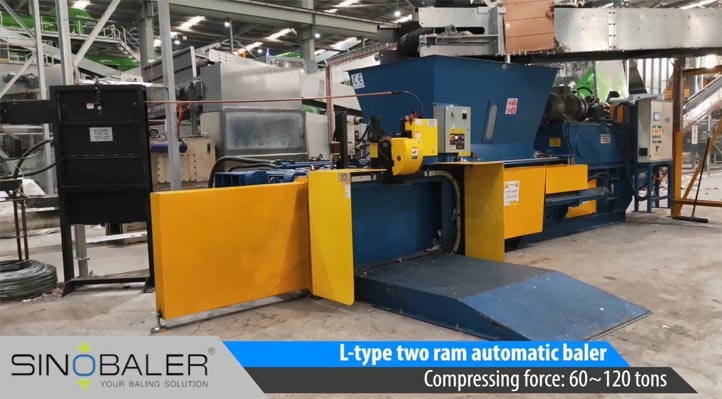
The appropriate baler depends on your material volume and operational requirements.
Suitable for:
- Small recycling centers
- Retail stores
- Distribution warehouses
- Plastic packaging manufacturers
Benefits include:
- Compact footprint
- Low investment cost
- Easy operation
Ideal for:
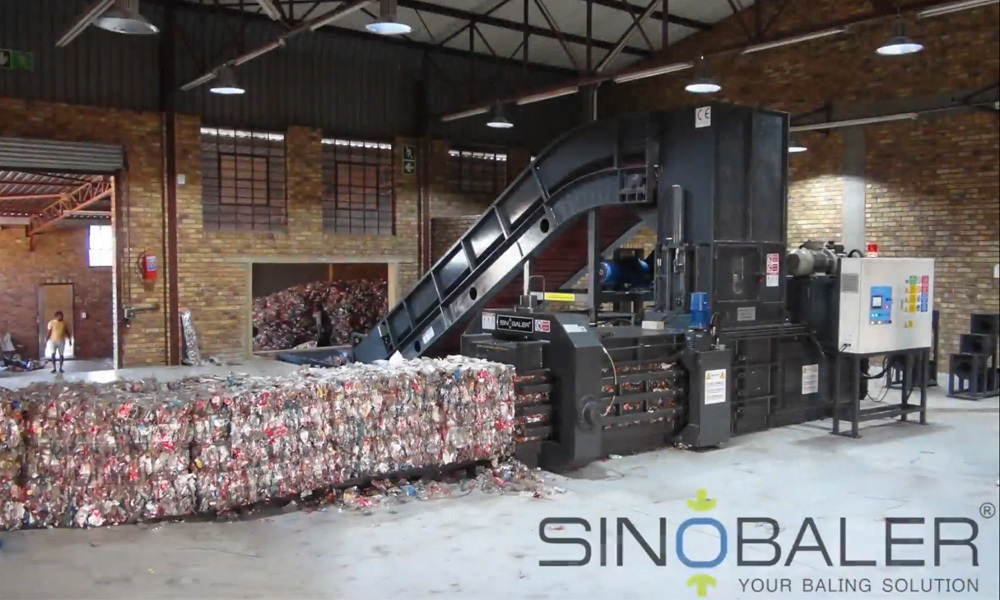
- Plastic recycling facilities
- Material Recovery Facilities (MRFs)
- Beverage bottling plants
- Large manufacturing operations
Advantages include:
- Continuous feeding
- High throughput
- Consistent, high-density bales
- Reduced labor requirements
Frequently Asked Questions
Can PET bottles and HDPE bottles be baled together?
For commercial recycling, they should generally be baled separately to maintain bale quality and maximize recycling value. Mixed baling may be acceptable only if the receiving recycler has sorting capabilities and specifically allows mixed plastic bales.
Does mixing plastics reduce bale value?
Yes. Mixed-material bales typically require additional sorting and processing, making them less valuable than clean, single-material bales.
Should bottle caps be removed before baling?
Requirements vary by recycler. Many modern recycling facilities accept PET bottles with caps attached because caps can be separated during processing. Always follow the specifications of your downstream recycling partner.
What is the ideal moisture level for plastic bales?
Plastic containers should be empty and reasonably dry. Excess moisture increases bale weight, transportation costs, and the risk of contamination.
Improve Plastic Recycling Efficiency with the Right Baler
Whether you process HDPE bottles, PET bottles, plastic containers, detergent bottles, milk jugs, or industrial plastic packaging, selecting the right baling equipment is essential for reducing logistics costs and improving recycling efficiency.
SINOBALER offers a complete range of vertical balers and horizontal balers designed for plastic recycling facilities, manufacturers, waste management companies, and material recovery facilities worldwide. Our experienced engineering team can recommend a customized baling solution based on your material type, throughput, and automation requirements, helping you produce dense, high-quality bales that meet the specifications of your recycling partners.
Other Blogs

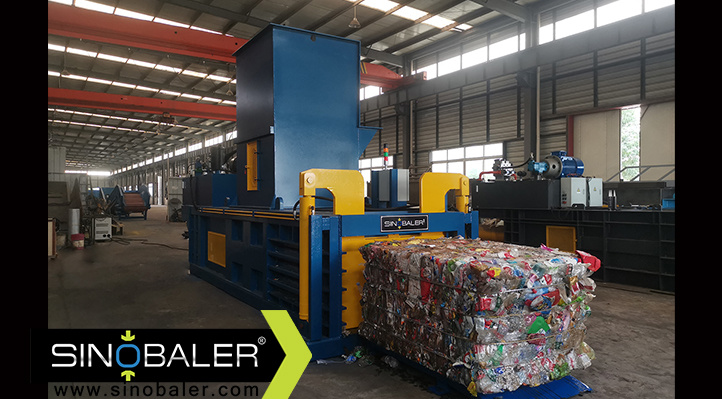
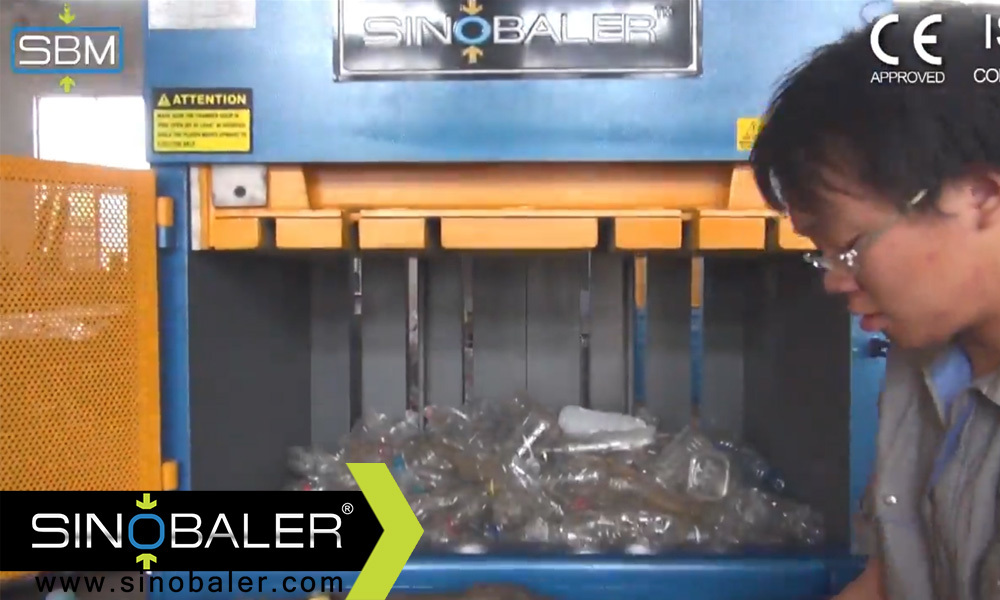
PET Bottle Waste Baler
2024/01/04
PET is a commonly used plastic for beverage and food containers. A PET bottle waste baler is a machine designed to compress and bundle PET (polyethylene terephthalate) bottles for easier handling, transportation, and recycling. The baler works by compressing the PET bottles into compact, dense bales that can be more efficiently stored and transported to […]

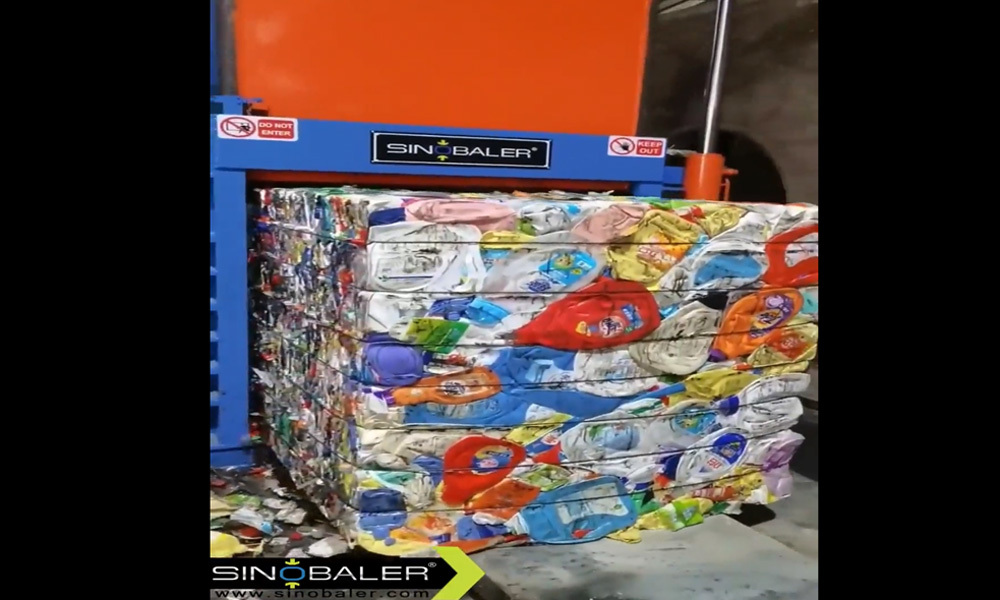
HDPE Bottle Compactor / HDPE Bottle Baler Machine
2017/04/11
HDPE bottle refers to a high-density polyethylene plastic bottle. Normally they are heavier plastic containers like milk containers, laundry detergent bottles, bleach bottles, shampoo bottles, and motor oil bottles etc. It is widely used in our daily life and become increasingly important to recycle this kind of plastic. Hence adding a HDPE bottle compactor or […]
Related Videos

Other Blogs
2024/01/04
PET is a commonly used plastic for beverage and food containers. A PET bottle waste baler is a machine designed to compress and bundle PET (polyethylene terephthalate) bottles for easier handling, transportation, and recycling. The baler works by compressing the PET bottles into compact, dense bales that can be more efficiently stored and transported to […]
HDPE Bottle Compactor / HDPE Bottle Baler Machine
2017/04/11
HDPE bottle refers to a high-density polyethylene plastic bottle. Normally they are heavier plastic containers like milk containers, laundry detergent bottles, bleach bottles, shampoo bottles, and motor oil bottles etc. It is widely used in our daily life and become increasingly important to recycle this kind of plastic. Hence adding a HDPE bottle compactor or […]
Media and Gallery
Follow us


PRIVACY POLICY
We collect information from you when you fill out an inquiry or contact form. When submitting the form on our site, you may be asked to enter your name and contact details such as: e-mail address, mailing address and/or phone number, etc. Alternatively, you can choose not to complete our forms and visit our site anonymously. Any of the information we collect from you may be used to help us to better respond to your individual needs, and/or enable us to more effectively respond to your customer service requests and support needs. The email address you provided may also be used to send you information and updates pertaining to your inquiry and/or order, in addition to receiving occasional company news, updates, related product or service information, etc. SINOBALER does not sell, trade, or otherwise transfer to outside parties your personally identifiable information. This does not include trusted third parties who assist us in operating our website, conducting our business, or servicing you, so long as those parties agree to keep this information confidential. We may also release your information when we believe release is appropriate to comply with the law, enforce our site policies, or protect ours or others rights, property, or safety.
By using our site, you consent to our online privacy policy. If we decide to change our privacy policy, we will post those changes on this page. If you have any questions or concerns regarding our privacy policy, please e-mail info@sinobaler.com or mail your question to us at 1206 Yinzhou Shanghui Nan Lou, 1299 Yinxian Avenue, Yinzhou District, Ningbo 315192, P.R. China.
EXTERNAL LINKS & DISCLAIMER
Our web site has links to many other organizations with their permission. Upon leaving the SINOBALER web site, you are subject to the privacy policy of the new site which are not under our control. SINOBALER is not responsible for the content of any linked site or any link contained in a linked site. These links are provided to you as a service for you to better understand the different business relationships that SINOBALER has established, and/or to point the reader to other possible relevant resources.