






Home | Blog |

Plastic Bottle Press
Plastic bottles are among the most commonly used packaging materials globally. However, their disposal and recycling pose significant challenges due to their size, shape, and the high volume of waste they generate. A plastic bottle press is an efficient and eco-friendly solution for addressing these challenges, offering a way to reduce the volume of plastic waste and enhance recycling efforts.
What is a Plastic Bottle Press?
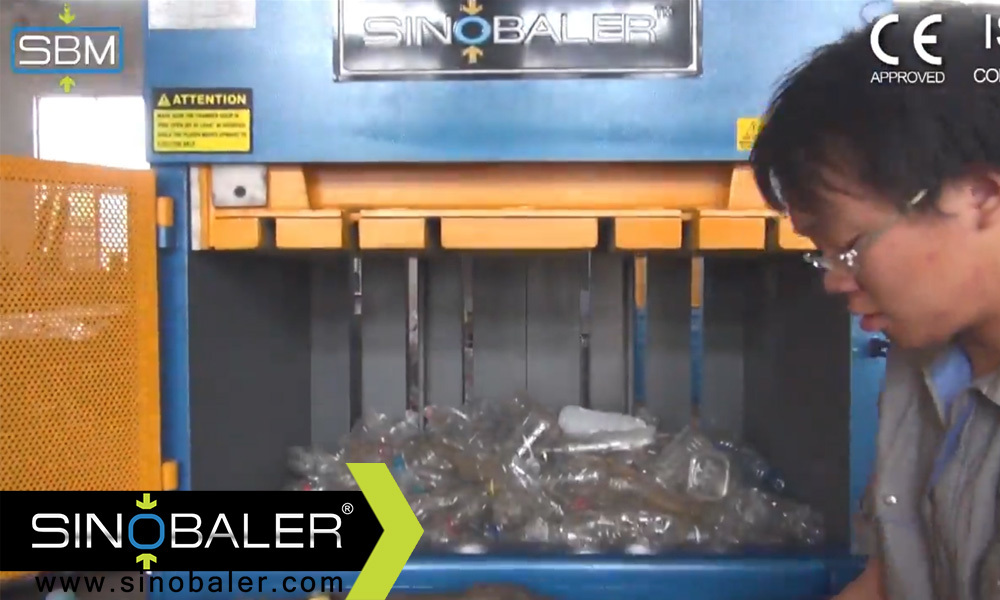
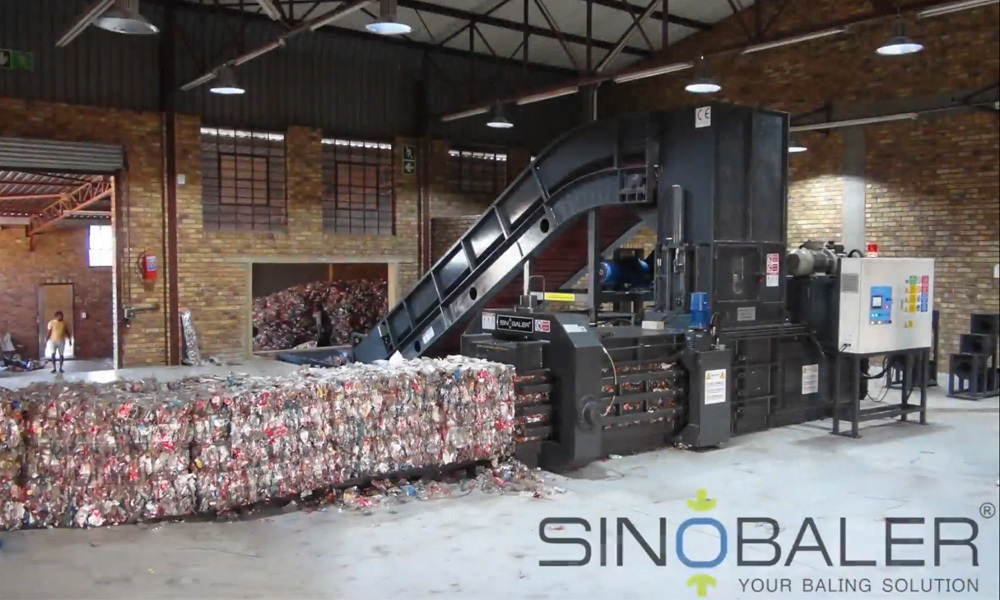
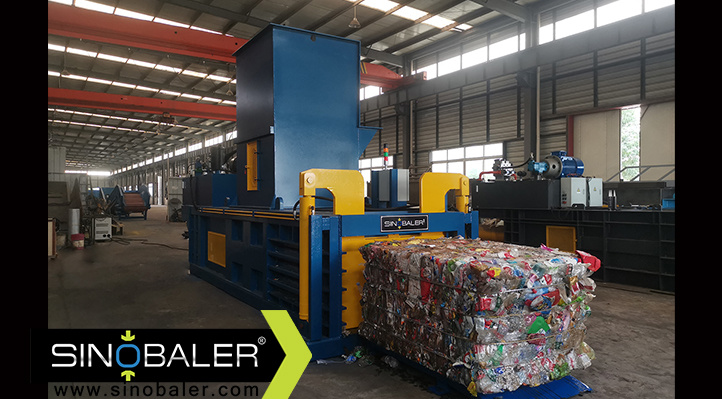
A plastic bottle press is a specialized machine designed to compress and compact plastic bottles, typically made from polyethylene terephthalate (PET), into dense, manageable bales. These machines are equipped with powerful hydraulic or mechanical systems that crush bottles to reduce their volume, making them easier to store, transport, and recycle. The compacted bales of plastic bottles can then be sent to recycling plants, where they are processed into new materials.
Plastic Bottle Recycling Process
Once the plastic bottles are compacted into bales using a plastic bottle press, they undergo several critical steps in the recycling process. Here’s an overview of the typical plastic bottle recycling process:
- Collection and Transportation
- The first step involves the collection of used plastic bottles from recycling bins, waste management facilities, or directly from businesses. Once collected, these bottles are transported to a recycling plant.
- Sorting
- At the recycling facility, plastic bottles are sorted based on their material type (usually PET, HDPE, or PVC) and color. This step helps ensure that only clean, recyclable plastic bottles are processed.
- Washing and Cleaning
- Contaminants such as food residue, labels, and adhesives are removed during the washing stage. Bottles are thoroughly cleaned to ensure the material is pure and ready for processing.
- Shredding
- Cleaned bottles are fed into a shredder, where they are chopped into small flakes or pellets. These smaller pieces of plastic are easier to melt and mold into new products.
- Extrusion
- The shredded plastic flakes are melted and extruded into long strands, which are then cooled and cut into small pellets. These pellets are the raw material that can be used to create new plastic products.
- Manufacturing New Products
- The recycled plastic pellets are used by manufacturers to create new plastic items, such as new bottles, containers, clothing, insulation materials, or even furniture. The cycle continues, with the same material being reused multiple times.
Applications of a Plastic Bottle Press
- Recycling Facilities
- Plastic bottle presses are commonly used in recycling centers to process large volumes of plastic bottles, preparing them for further recycling into new products such as textiles, containers, or building materials.
- Commercial and Industrial Use
- Businesses in industries like food and beverage, retail, and manufacturing generate significant amounts of plastic waste. A plastic bottle press helps these organizations efficiently manage their waste by reducing its volume and preparing it for recycling.
- Waste Management Systems
- In municipal waste management programs, plastic bottle presses help reduce the burden on landfills and improve the overall efficiency of recycling programs.
- E-commerce and Logistics
- E-commerce businesses and logistics companies often deal with large quantities of packaging materials, including plastic bottles. A plastic bottle press helps reduce the space required for storing waste, allowing for easier disposal and transportation.
Benefits of Using a Plastic Bottle Press
- Reduced Volume and Storage Space
- By compacting plastic bottles into bales, a plastic bottle press significantly reduces the volume of waste, which makes storage and transportation much more efficient.
- Environmental Impact
- By encouraging recycling and reducing the amount of plastic waste that ends up in landfills, plastic bottle presses contribute to environmental sustainability. The compressed plastic can be sent to recycling plants, where it is repurposed into new products.
- Cost Savings
- Reducing the volume of plastic waste lowers transportation and disposal costs. Companies that regularly produce plastic waste can save money by using a plastic bottle press to compact and efficiently manage their waste.
- Enhanced Safety and Cleanliness
- Compaction makes handling plastic waste safer and more hygienic, reducing the risk of injury from sharp edges and minimizing messes caused by loose bottles.
- Compliance with Regulations
- Many governments have implemented stricter regulations on waste management and recycling. By using a plastic bottle press, businesses can ensure compliance with these environmental regulations and contribute to sustainable practices.
How to Choose the Right Plastic Bottle Press
When selecting a plastic bottle press, several factors should be considered:
- Capacity
- Choose a press that matches your daily or monthly plastic wastep volume. Larger presses are suitable for high-volume operations, while smaller models are ideal for businesses with more modest needs.
- Compression Ratio
- Look for a press with a high compression ratio, as this will help maximize the amount of waste compacted into each bale.
- Energy Efficiency
- Opt for an energy-efficient model to reduce operational costs and minimize your carbon footprint.
- Ease of Use
- Select a press with intuitive controls and automated features to simplify the baling process and minimize labor requirements.
- Maintenance and Support
- Ensure that the press is easy to maintain and that the manufacturer provides reliable after-sales support, including spare parts and technical assistance.
Embrace the power of plastic bottles recycling by a baler firstly. Contact SINOBALER team to choose your best suitable baling solution today!
Other Blogs

The Role of Water Bottle Baler in Waste Management and Recycling
2023/06/19
Plastic water bottles have become a ubiquitous part of our daily lives, and their consumption has skyrocketed over the years. However, the improper disposal and accumulation of these bottles pose significant environmental challenges. Water bottle baler addresses these challenges by providing an efficient solution for compacting and preparing plastic bottles for recycling. A water bottle […]

Soda Bottles Baler Machine
2021/05/11
Soda drinks are very popular in our daily life. All of us are familiar with the top-selling soda drinks such as Coca-Cola and Pepsi. We consumed large amount of soda drinks worldwide. But how to dispose of these huge amount scrap soda bottles? Reusing or recycling soda bottles is the ideal solution for both environment […]

Polycarbonate Bottles Baler Machine
2020/11/13
Polycarbonate (PC) is made from natural resource oil. Since polycarbonate is strong, rigid and transparent, it has an increasing demand year by year all over the world. It covers many different applications and polycarbonate bottles are popular. When large amount of PC bottles become scrap, how to dispose of them in proper way? Luckily polycarbonate […]

PET Juice Bottle Baler Machine
2020/09/18
PET juice bottle scrap recycling When empty PET juice bottles are discarded, they become post-consumer PET waste. Each year, we have huge amount of such waste worldwide. If they are not improper disposed of, white pollution will be there. Luckily juice bottles made of PET can be recycled after a complete processing line. So the […]

Milk Bottles Baler Machine
2019/10/23
Normally milk bottles can be in plastic bottles, glass jars or even paper cartons. Also if it is a plastic milk bottle, high-density polyethylene (i.e. HDPE) is its raw material. When large amount of plastic milk bottles or milk cartons are available for collection, the transportation of these hollow products become a headache. Thus a […]

HDPE Bottle Compactor / HDPE Bottle Baler Machine
2017/04/11
HDPE bottle refers to a high-density polyethylene plastic bottle. Normally they are heavier plastic containers like milk containers, laundry detergent bottles, bleach bottles, shampoo bottles, and motor oil bottles etc. It is widely used in our daily life and become increasingly important to recycle this kind of plastic. Hence adding a HDPE bottle compactor or […]

Vertical Plastic Bottle Baler and Horizontal Plastic Bottle Baler
2016/05/24
Plastic bottle is almost everywhere in our daily life. Water, soft drinks, milk, cooking oil, medicine, shampoo, motor oil, ink etc. are normally packed with plastic bottles or containers with various sizes. There are many different types of plastic material made into plastic bottle depending upon application, such as HDPE, LDPE, PET, PVC, PP etc. […]
Related Videos

Other Blogs
The Role of Water Bottle Baler in Waste Management and Recycling
2023/06/19
Plastic water bottles have become a ubiquitous part of our daily lives, and their consumption has skyrocketed over the years. However, the improper disposal and accumulation of these bottles pose significant environmental challenges. Water bottle baler addresses these challenges by providing an efficient solution for compacting and preparing plastic bottles for recycling. A water bottle […]
2021/05/11
Soda drinks are very popular in our daily life. All of us are familiar with the top-selling soda drinks such as Coca-Cola and Pepsi. We consumed large amount of soda drinks worldwide. But how to dispose of these huge amount scrap soda bottles? Reusing or recycling soda bottles is the ideal solution for both environment […]
Polycarbonate Bottles Baler Machine
2020/11/13
Polycarbonate (PC) is made from natural resource oil. Since polycarbonate is strong, rigid and transparent, it has an increasing demand year by year all over the world. It covers many different applications and polycarbonate bottles are popular. When large amount of PC bottles become scrap, how to dispose of them in proper way? Luckily polycarbonate […]
PET Juice Bottle Baler Machine
2020/09/18
PET juice bottle scrap recycling When empty PET juice bottles are discarded, they become post-consumer PET waste. Each year, we have huge amount of such waste worldwide. If they are not improper disposed of, white pollution will be there. Luckily juice bottles made of PET can be recycled after a complete processing line. So the […]
2019/10/23
Normally milk bottles can be in plastic bottles, glass jars or even paper cartons. Also if it is a plastic milk bottle, high-density polyethylene (i.e. HDPE) is its raw material. When large amount of plastic milk bottles or milk cartons are available for collection, the transportation of these hollow products become a headache. Thus a […]
HDPE Bottle Compactor / HDPE Bottle Baler Machine
2017/04/11
HDPE bottle refers to a high-density polyethylene plastic bottle. Normally they are heavier plastic containers like milk containers, laundry detergent bottles, bleach bottles, shampoo bottles, and motor oil bottles etc. It is widely used in our daily life and become increasingly important to recycle this kind of plastic. Hence adding a HDPE bottle compactor or […]
Vertical Plastic Bottle Baler and Horizontal Plastic Bottle Baler
2016/05/24
Plastic bottle is almost everywhere in our daily life. Water, soft drinks, milk, cooking oil, medicine, shampoo, motor oil, ink etc. are normally packed with plastic bottles or containers with various sizes. There are many different types of plastic material made into plastic bottle depending upon application, such as HDPE, LDPE, PET, PVC, PP etc. […]
Media and Gallery
Follow us


PRIVACY POLICY
We collect information from you when you fill out an inquiry or contact form. When submitting the form on our site, you may be asked to enter your name and contact details such as: e-mail address, mailing address and/or phone number, etc. Alternatively, you can choose not to complete our forms and visit our site anonymously. Any of the information we collect from you may be used to help us to better respond to your individual needs, and/or enable us to more effectively respond to your customer service requests and support needs. The email address you provided may also be used to send you information and updates pertaining to your inquiry and/or order, in addition to receiving occasional company news, updates, related product or service information, etc. SINOBALER does not sell, trade, or otherwise transfer to outside parties your personally identifiable information. This does not include trusted third parties who assist us in operating our website, conducting our business, or servicing you, so long as those parties agree to keep this information confidential. We may also release your information when we believe release is appropriate to comply with the law, enforce our site policies, or protect ours or others rights, property, or safety.
By using our site, you consent to our online privacy policy. If we decide to change our privacy policy, we will post those changes on this page. If you have any questions or concerns regarding our privacy policy, please e-mail info@sinobaler.com or mail your question to us at 1206 Yinzhou Shanghui Nan Lou, 1299 Yinxian Avenue, Yinzhou District, Ningbo 315192, P.R. China.
EXTERNAL LINKS & DISCLAIMER
Our web site has links to many other organizations with their permission. Upon leaving the SINOBALER web site, you are subject to the privacy policy of the new site which are not under our control. SINOBALER is not responsible for the content of any linked site or any link contained in a linked site. These links are provided to you as a service for you to better understand the different business relationships that SINOBALER has established, and/or to point the reader to other possible relevant resources.